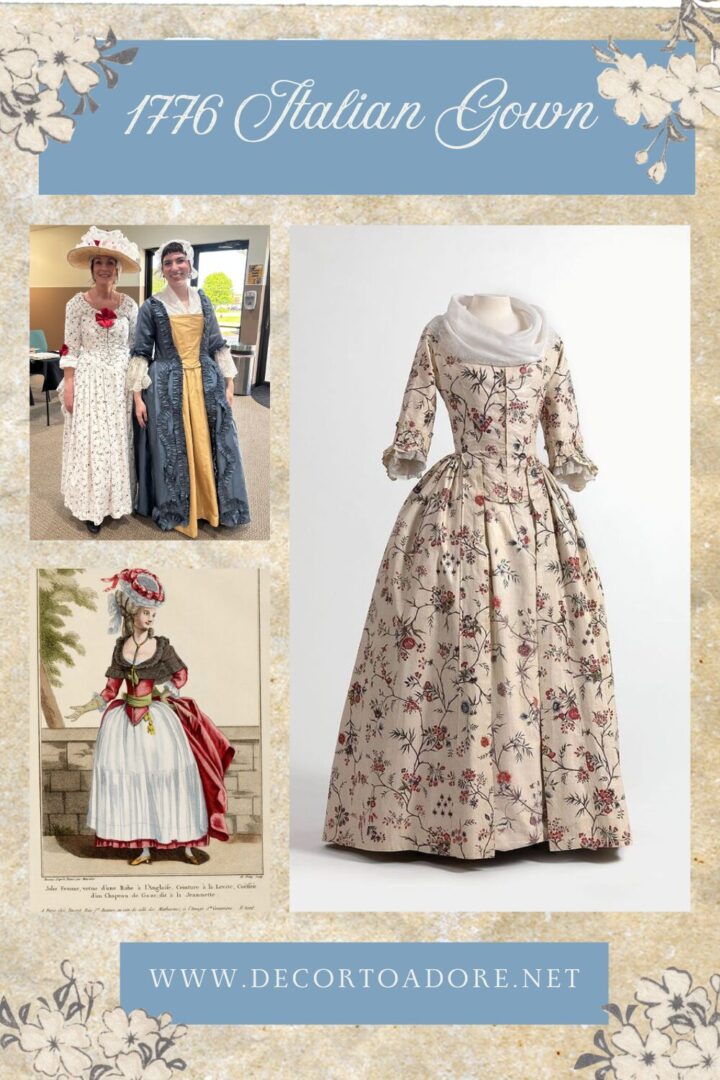
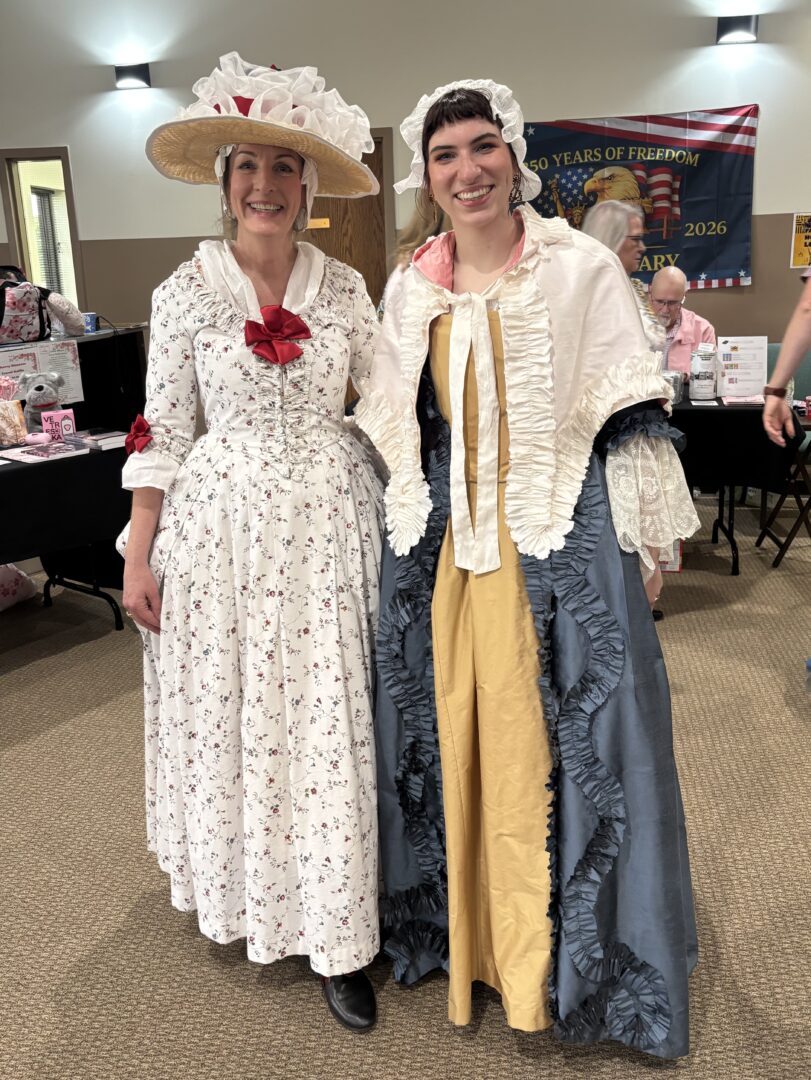
Hello friends and welcome back to Martha Washington Wednesdays. This post will take a closer look at a 1776 Italian Gown I created for my recent What Martha Washington Might Have Worn presentation.
The History
Italian gowns were extremely popular in the latter part of the 18th century. They are similar to an English gown or robe à l’anglaise. Both gowns often look quite similar when viewed from the front. The biggest difference is how the back of the dress is constructed.
An English gown is fitted to the body through a series of angled pleats that taper to the waistline and then flow out into a full skirt. Meaning that the bodice and the skirt is in some part all one piece.
English Gown from The Met.
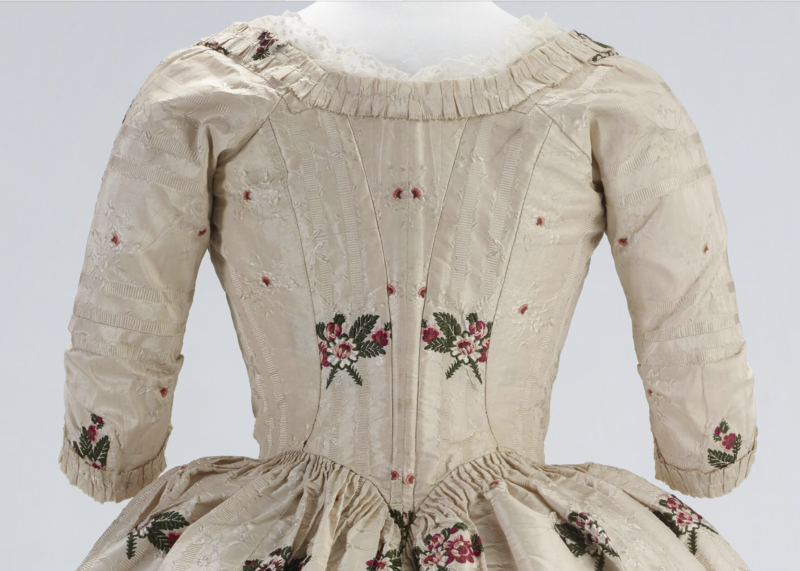
The bodice of an Italian gown is separate from the skirt and attached with stitching. The bodice features four main back sections.
Italian Gown from The Met.
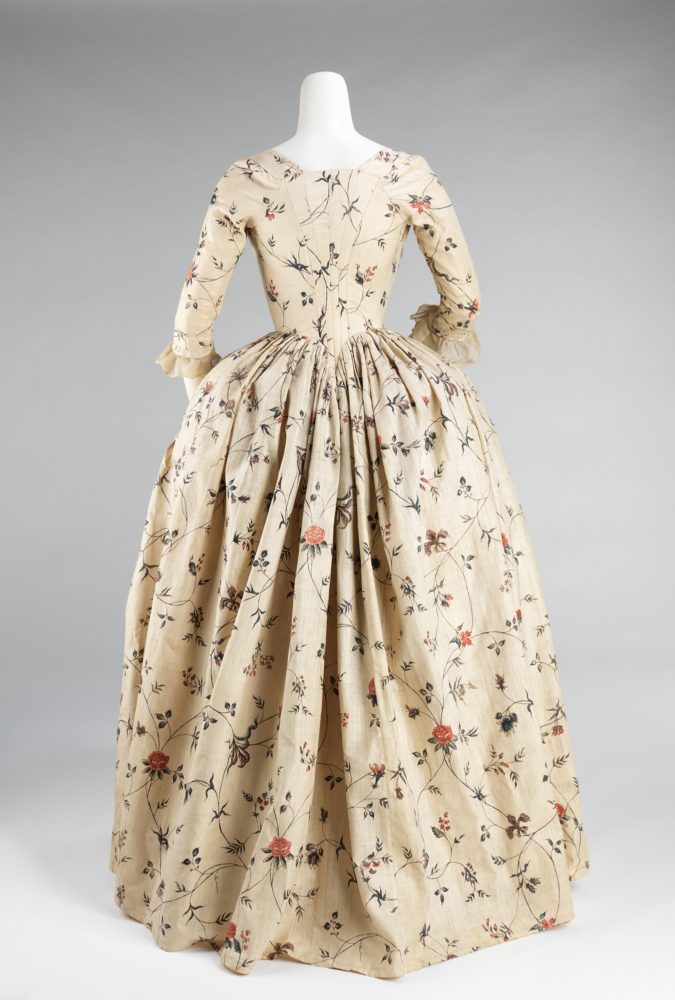
It can get a bit tricky to tell the two styles apart when the skirt is really full. It requires a close up examination of the waistline.
This is an English gown.

Inspiration
I’ve been collecting numerous images on Pinterest.
Marie Antoinette by Sophia Coppola

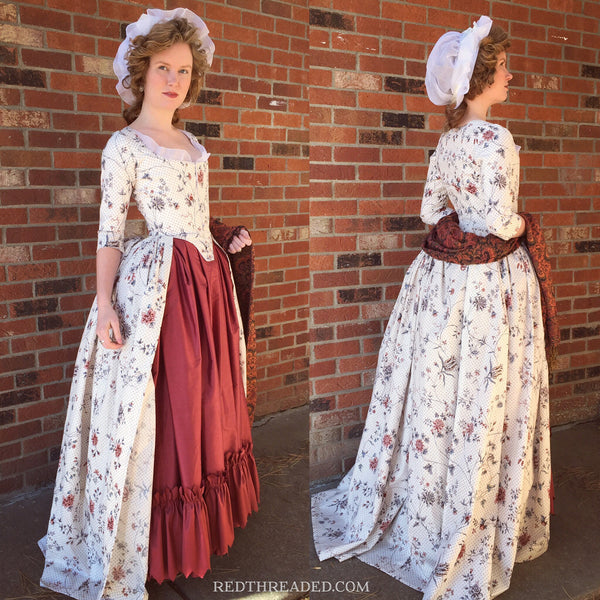
Red Threaded’s The Dotty Dress which is based on this historical dress.
The Camp Laundry, 1782, British Museum

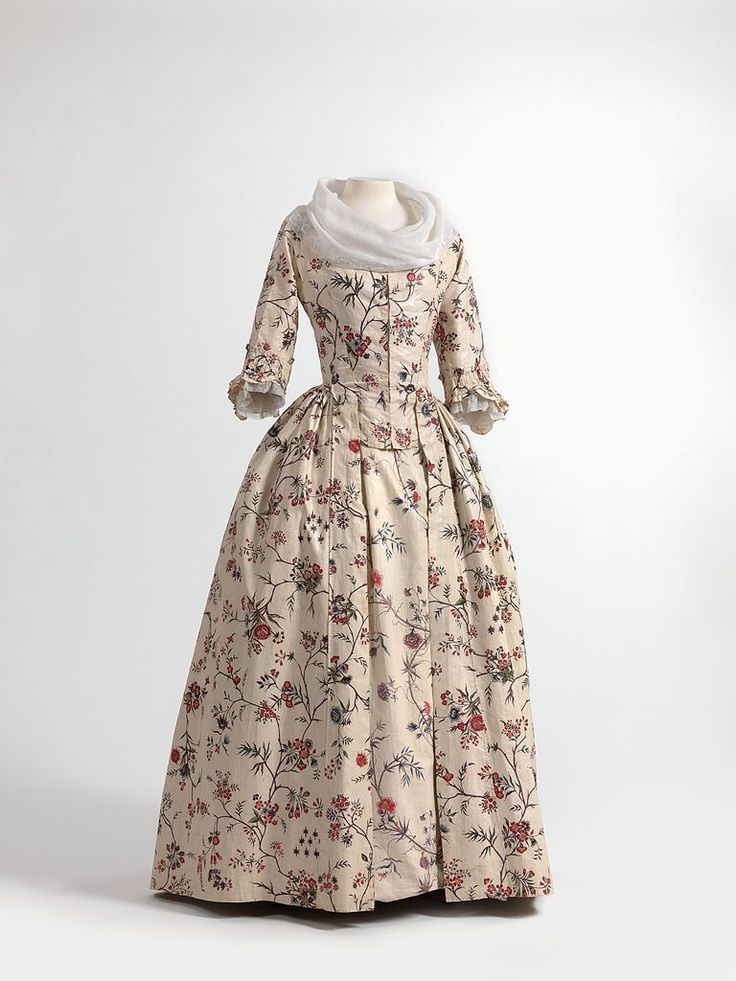
I was able to view this amazing gown in the Colonial Williamsburg archives last January.

As well as this gorgeous Silk Lustring Gown. To be able to see first hand how such gowns were constructed is invaluable!

There are many ways to trim an Italian gown. This gem from the Museum of New Zealand is yummy.
The Pattern
I used the Angelica Gown by Scroop patterns, View A.
I would classify the pattern as needing intermediate to advanced level sewing skills. This is partially based on that to get the best fit for this gown it requires the wearing of appropriate 18th century undergarments. I would also recommended that you have some familiarity with 18th century sewing styles.

The Fabric
From some of the images above you can see that Italian gowns were often made from cotton prints that were imported from India. The 18th century term is Indienne. The fabric often features a predominantly white background. Depending on the number of colors used in the design increased the cost of the fabric. This gown below would have riveled the best silk in its cost.
You can still purchase 18th century inspired Indienne fabric through sources such as Colonial Williamsburg, Burnley & Trowbridge and Dutch Quilts.
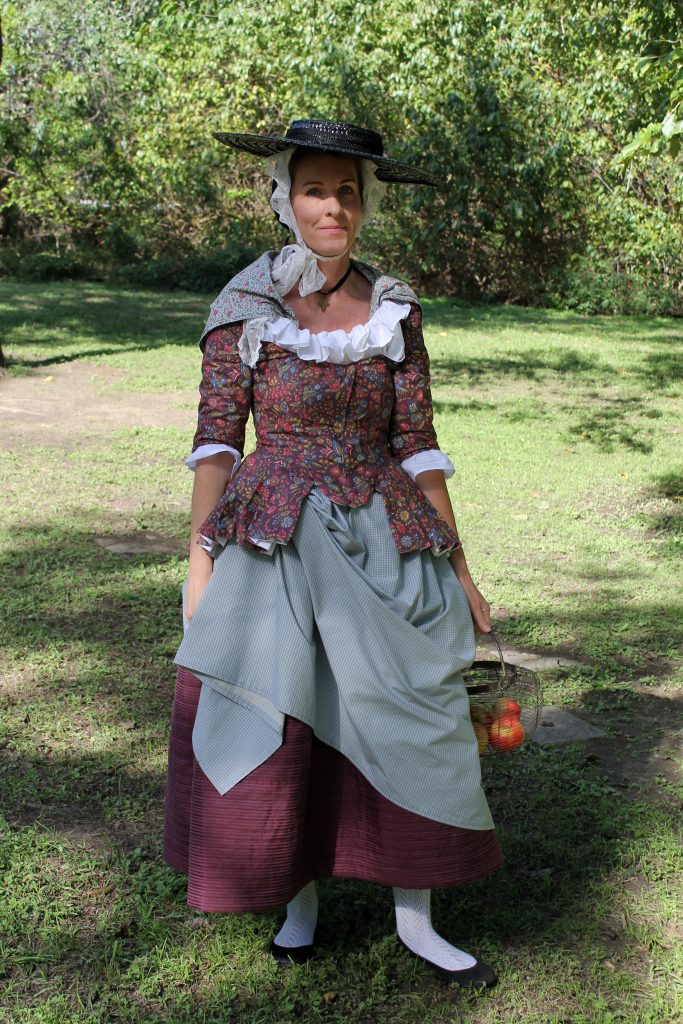
Fair warning: this fabric can get pricey. When I made my Provencal Gal ensemble just the fabric for the Caraco jacket was about $50. I had purchased the fabric while in France as my one souvenir.
Cost Saving Fabric Solution
The front of The American Duchess Guide To 18th Century Dressmaking showcases a beautiful Italian gown made from Ikea bed linens.
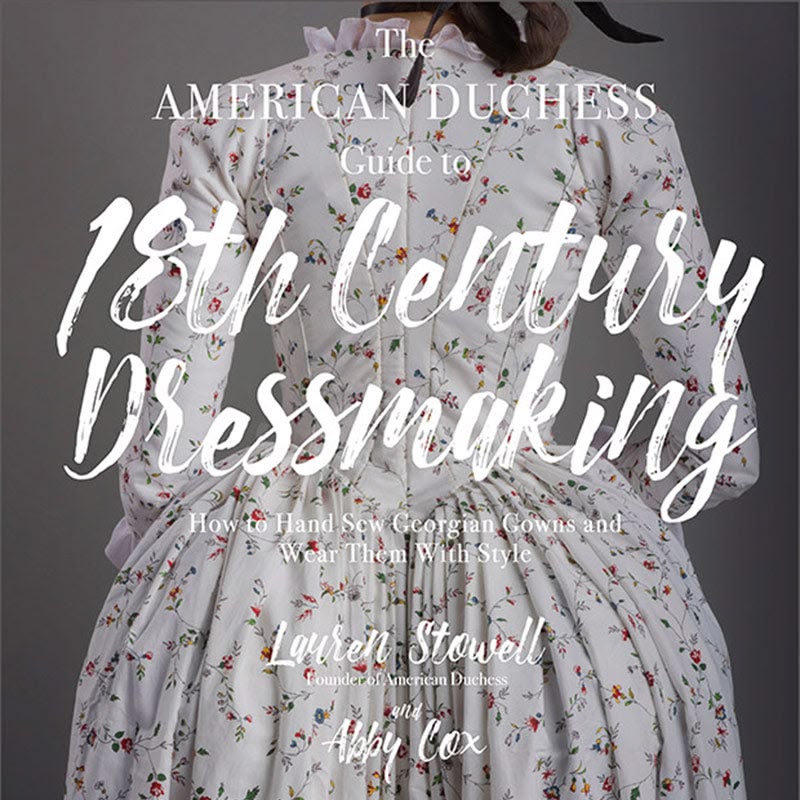
About two years ago my friend Eide was selling a king size Ikea duvet made from this same exact fabric. I snapped it up!
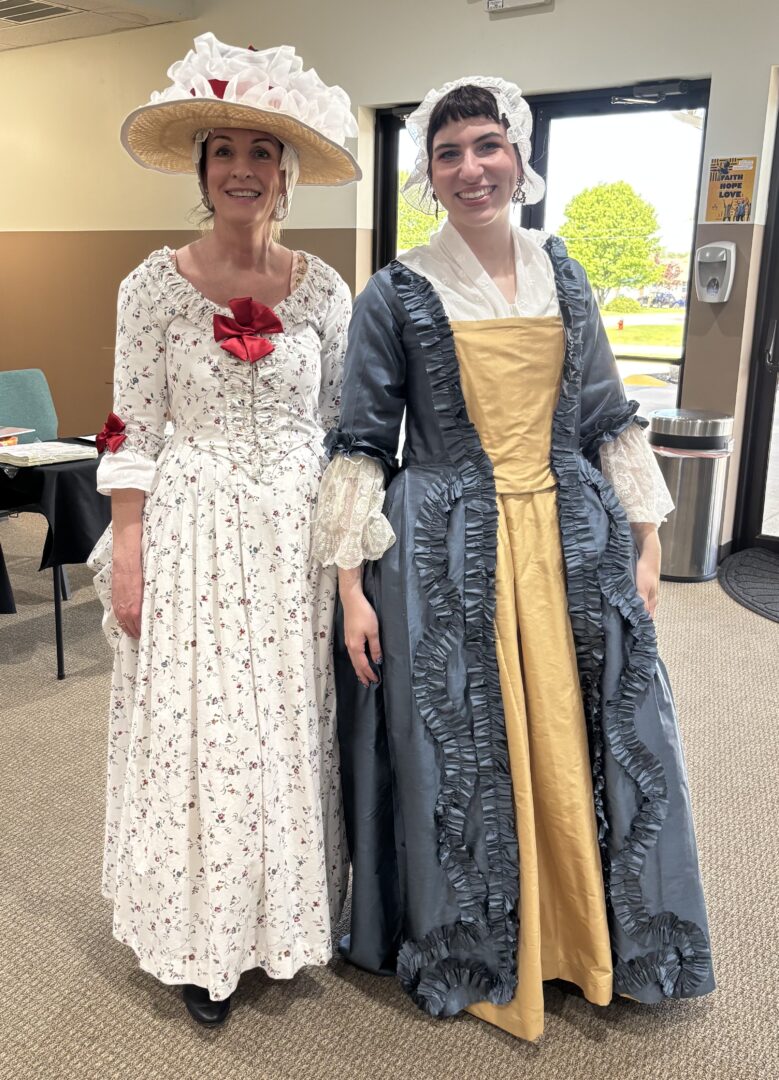
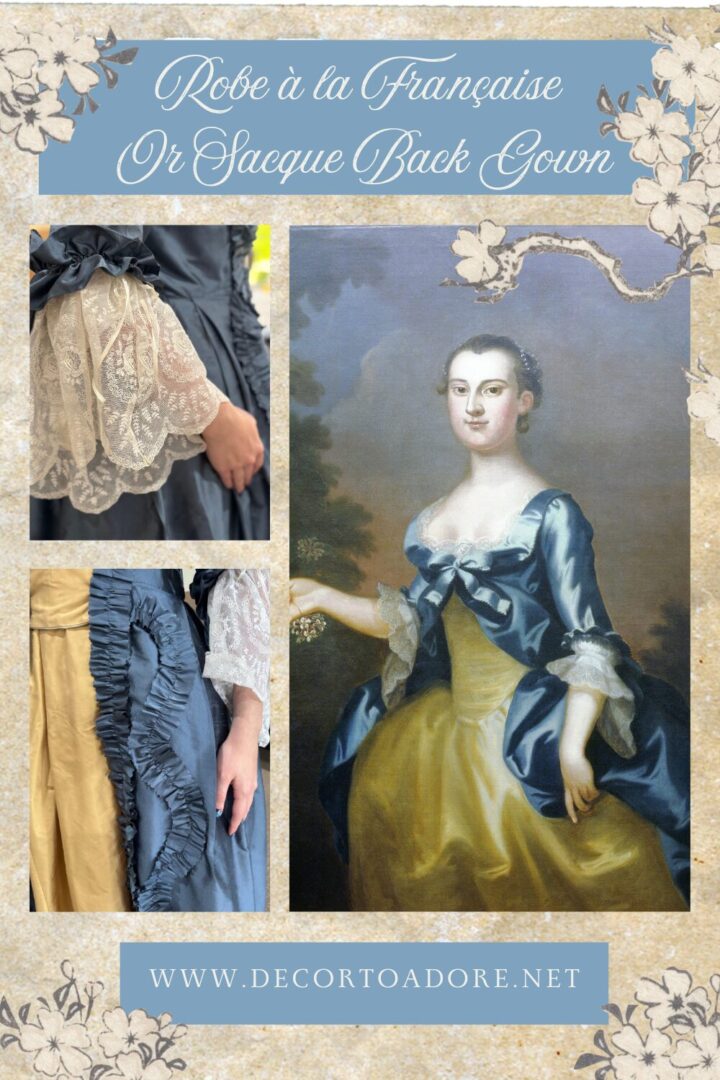
All the details for the blue Robe à la Française Or Sacque Back Gown shown above were covered in this post.
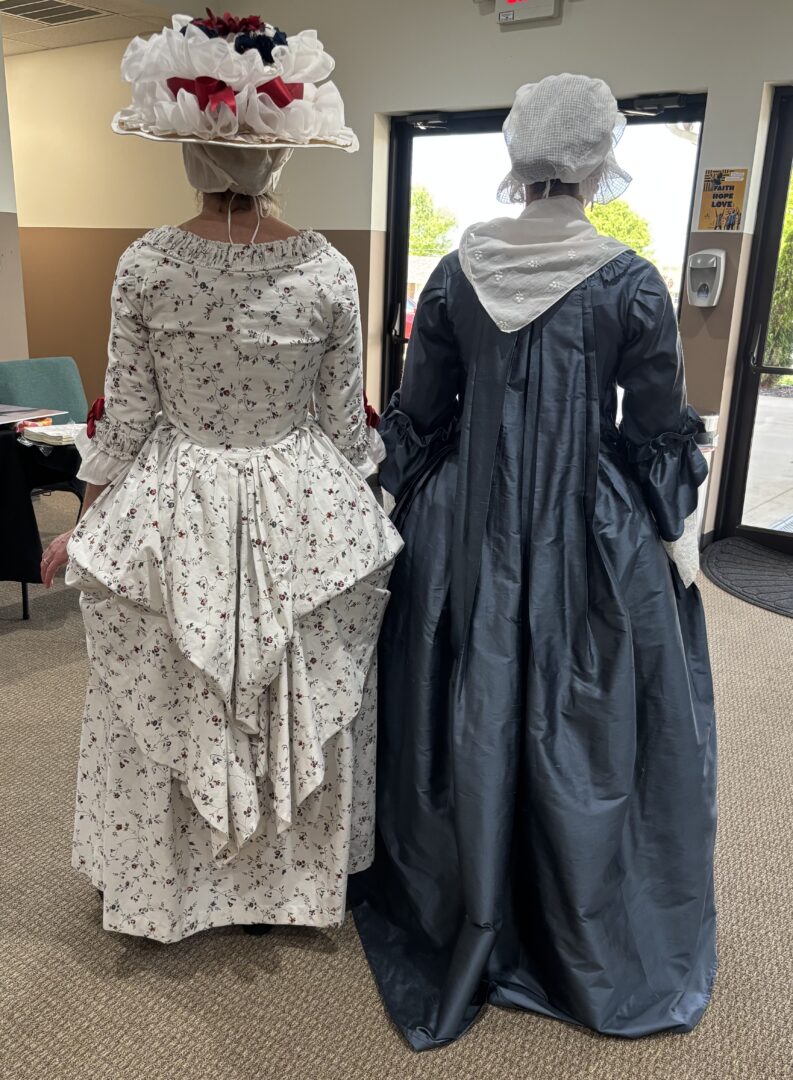
I wore the back of my gown in a Retroussée style. The French term simply means “pulled up”. You can see how this look is achieved in this week’s video.
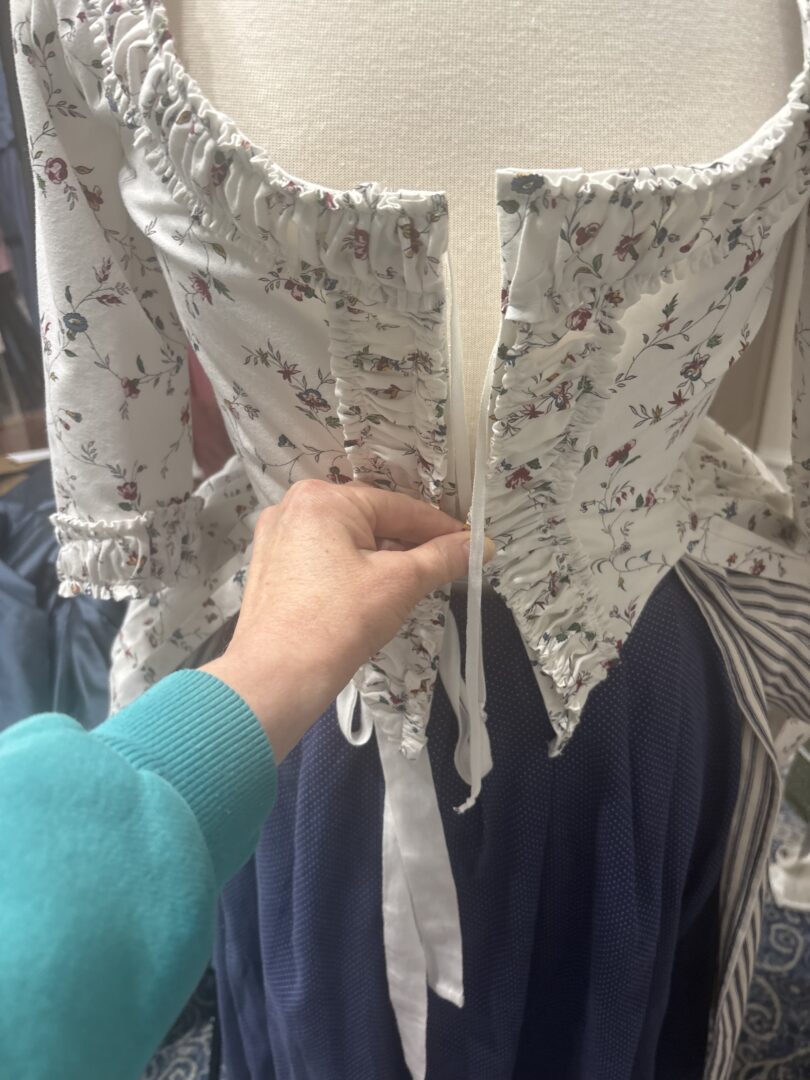
As I used most of the fabric I had to make the Italian gown and matching petticoat I needed a simple embellishment. This shirred technique is just strips of fabric that are gathered with long basting stitches on either side. The threads are pulled to position it in to place.
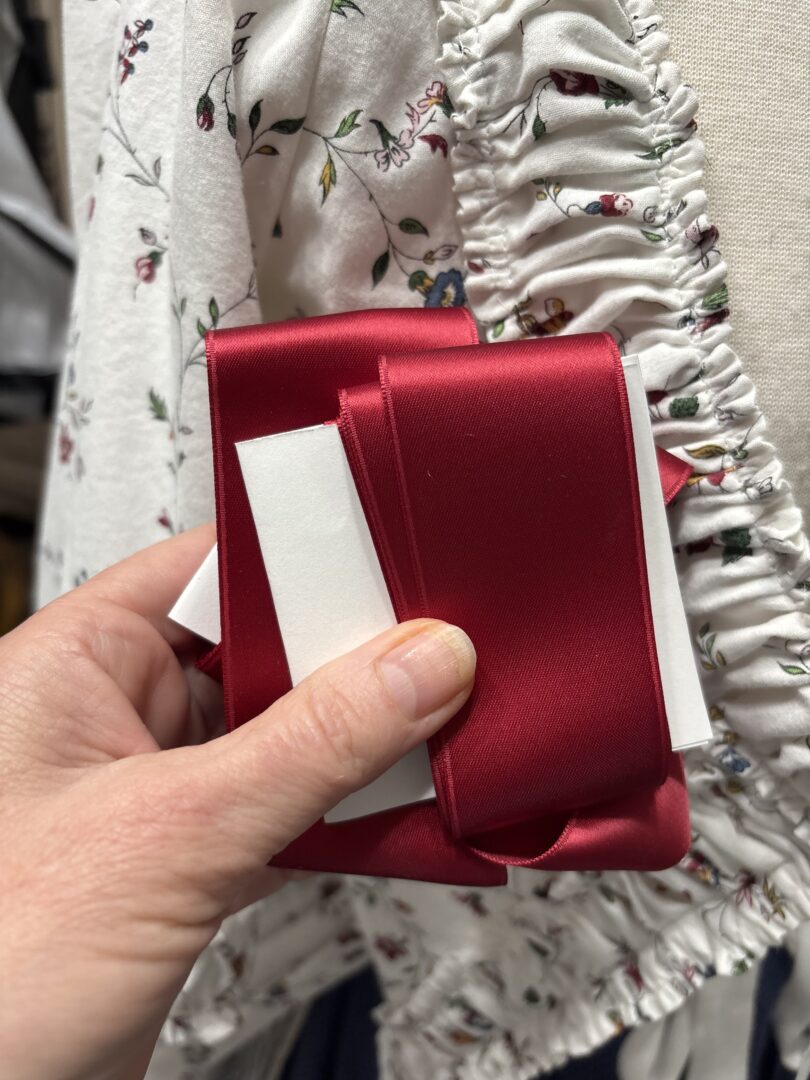
Additional embellishments often came in the form of breast and sleeve bows/knots made from ribbon.
This was an easy way to change the look of a dress and add a bit of color. As I was going for more of a patriotic color scheme I selected a rich cranberry red silk double faced ribbon. This was purchased from Timely Tresses. I used the tutorial in The American Duchess Guide To 18th Century Dressmaking book to create the knots.
This Week’s Video
If you wish to view this week’s video in a larger format just click on the black box in the lower left hand corner that says Watch on YouTube.
Next week will be the final fashion installment of the What Martha Washington Might Have Worn series. The post and accompanying video will cover all of the fun accessories. Including my cake hat and Megan’s sweet mantelet.
Have a lovely day,
Laura
Other Posts You May Enjoy
Undergarments
Supportive undergarments, including a set of stays and side hoops ( also known as panniers) assist to give shape to the gown. You can read more on this topic in this post.
1750s Casaquin Jacket and 18th Century Undergarments
These are both magnificent, Laura. Your history and research so comprehensive and so beautifully incorporated into your designs. Bravo.