Hello friends and welcome back to Martha Washington Wednesdays. This post will take a closer look at a Robe à la Française Or Sacque Back Gown I created for my recent What Martha Washington Might Have Worn presentation.
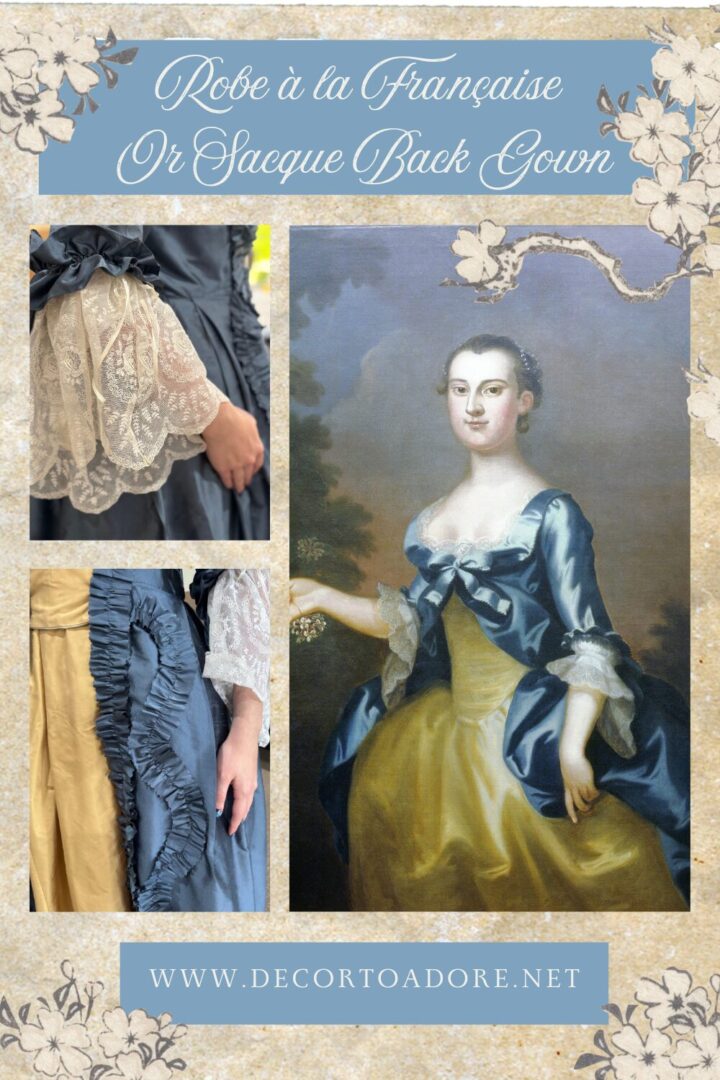
Robe à la Française Or Sacque Back Gown
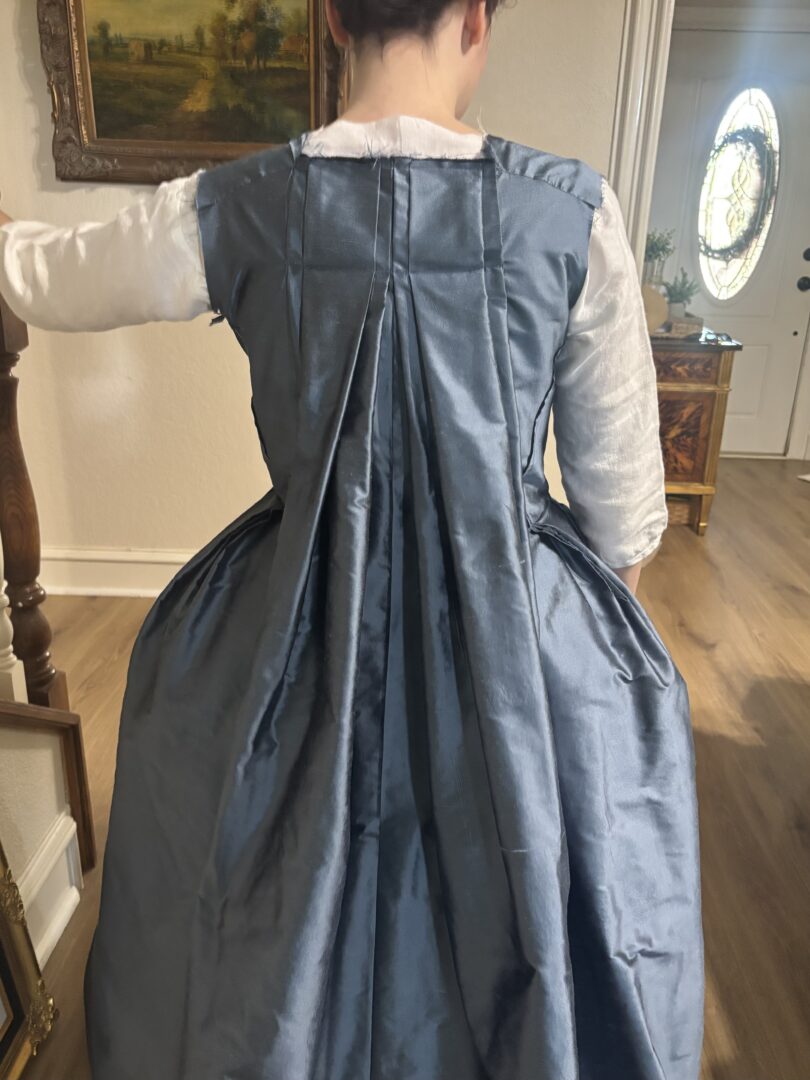
The robe à la française is also known as a sack or sacque back gown. The back of the dress features box pleats, often referred to as Watteau pleats, that fall from the shoulders to the floor with a slight train.
Photo courtesy of LACMA.

The front of the gown is often open to show off a decorative stomacher and petticoat.
Photo courtesy of The Met.


Gowns are most often made of beautiful silk. Brocade and damask designs were popular.
Photo courtesy of The Met.

The sleeve generally ends at the elbow and is often paired with sleeve ruffles known as engageantes.
Madame de Pompadour by François Boucher c. 1756.
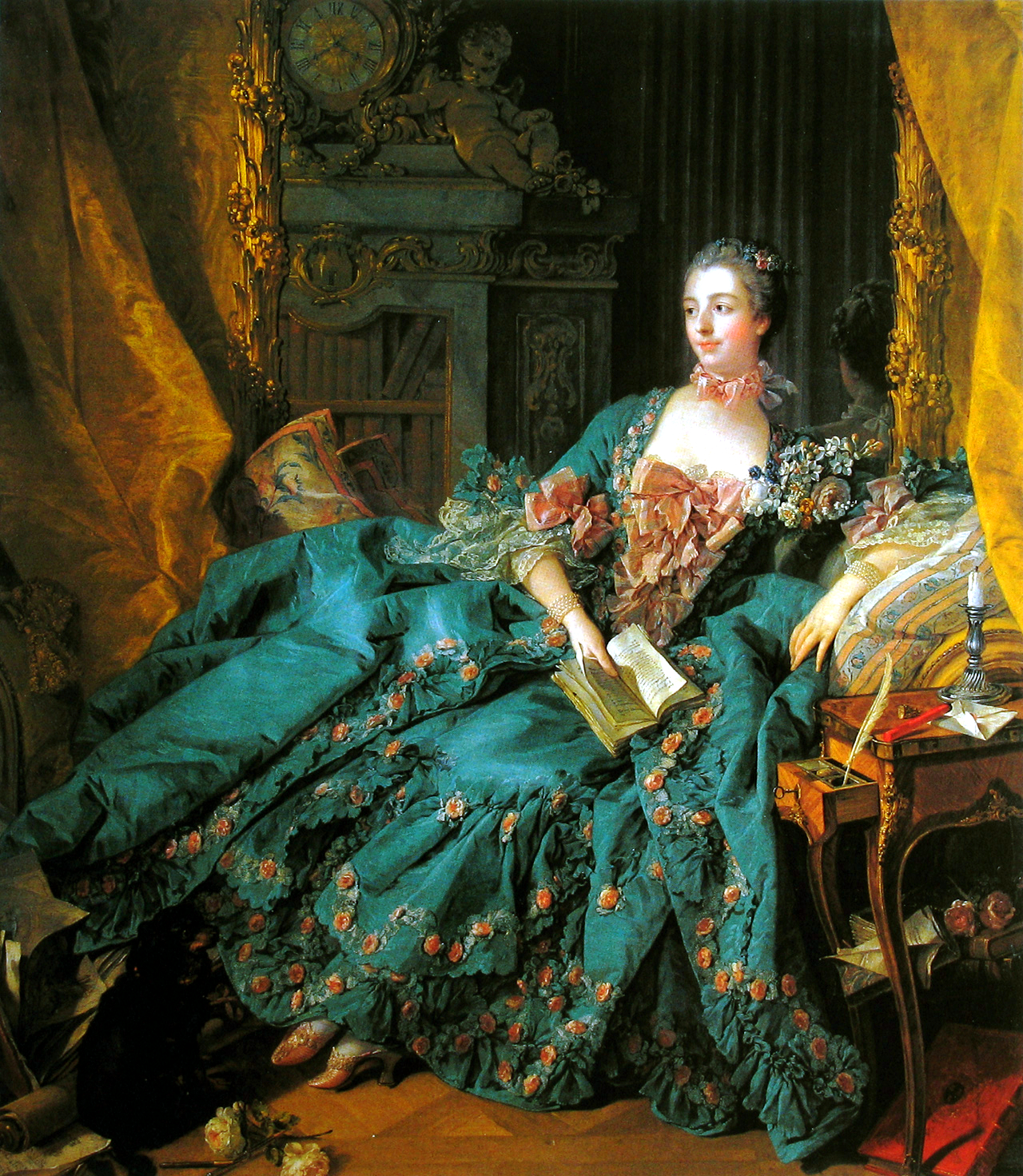
Madame de Pompadour by François Boucher c. 1759.

The engageantes could be made from a wide variety of laces. Lars Datter shares several extant examples in this wonderful post.

Cotton muslin was also a popular choice.

The Inspiration
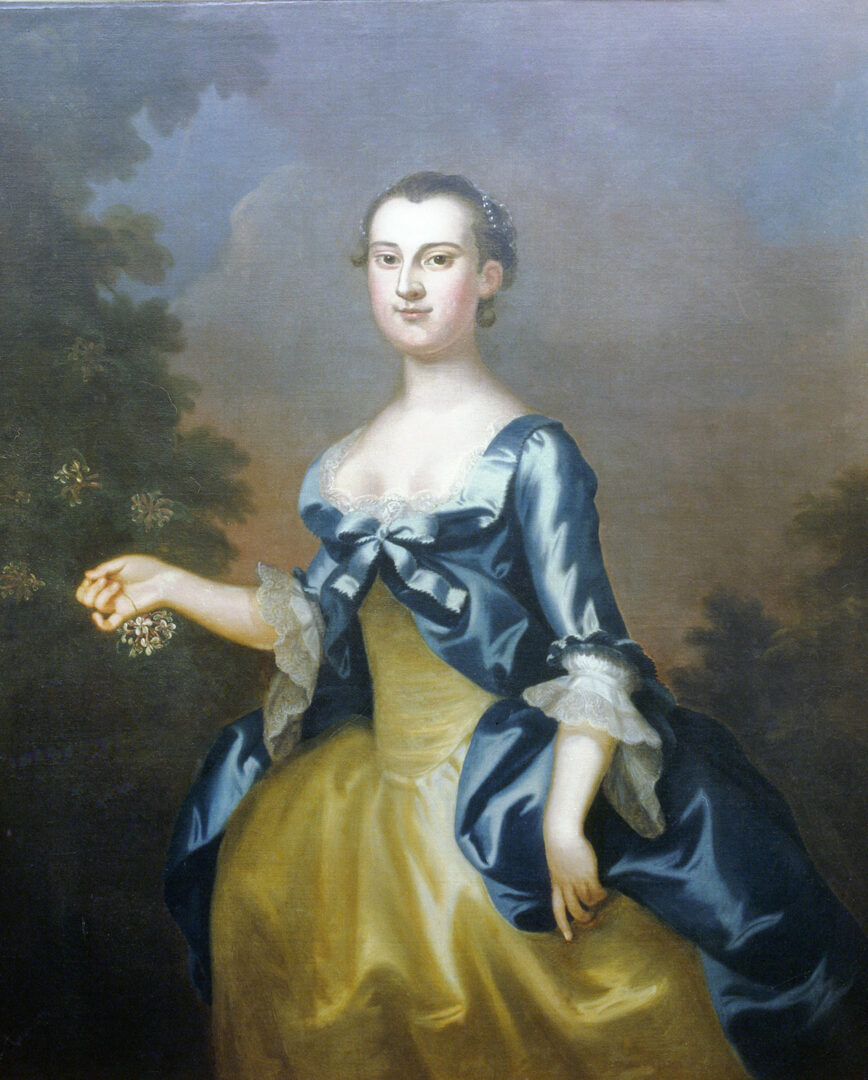
In creating my robe à la française I was inspired by the color palette used in this portrait of Martha Dandridge Custis who would later marry George Washington.
All of my research and design decisions were covered in last weeks post and video.
Undergarments
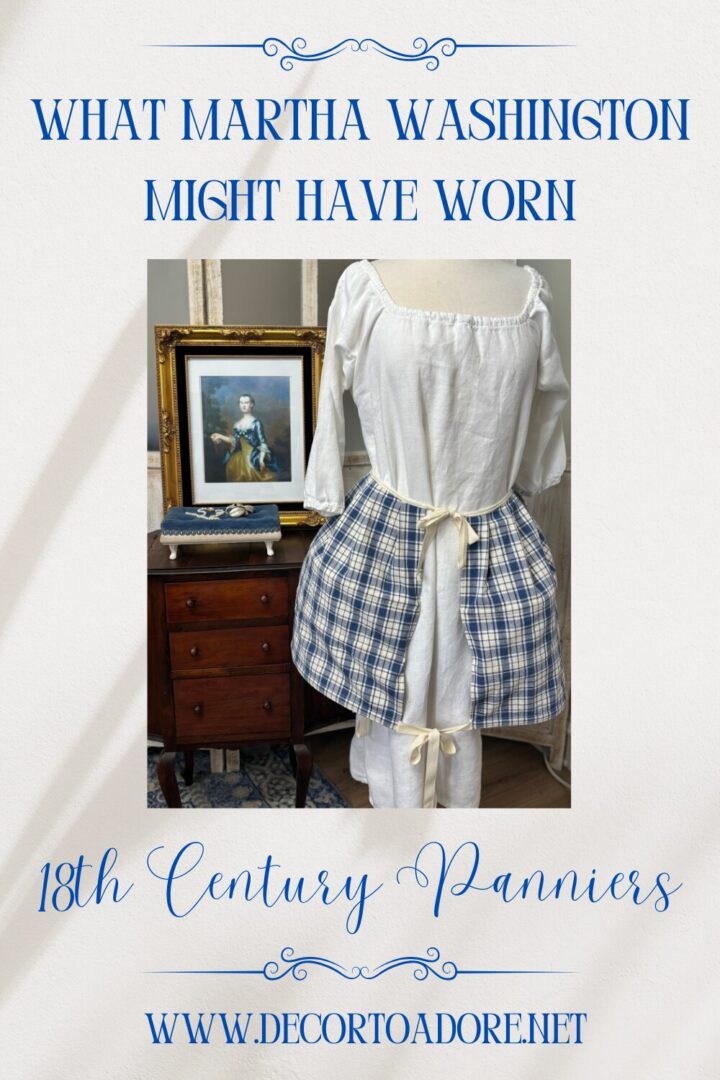
Supportive undergarments, including a set of stays and side hoops ( also known as panniers) assist to give shape to the gown. You can read more on this topic in this post.
Pattern
To create the sacque back gown I used two sources. The American Duchess pattern by Simplicity 8578.
There are supplemental notes regarding this pattern on the American Duchess blog.

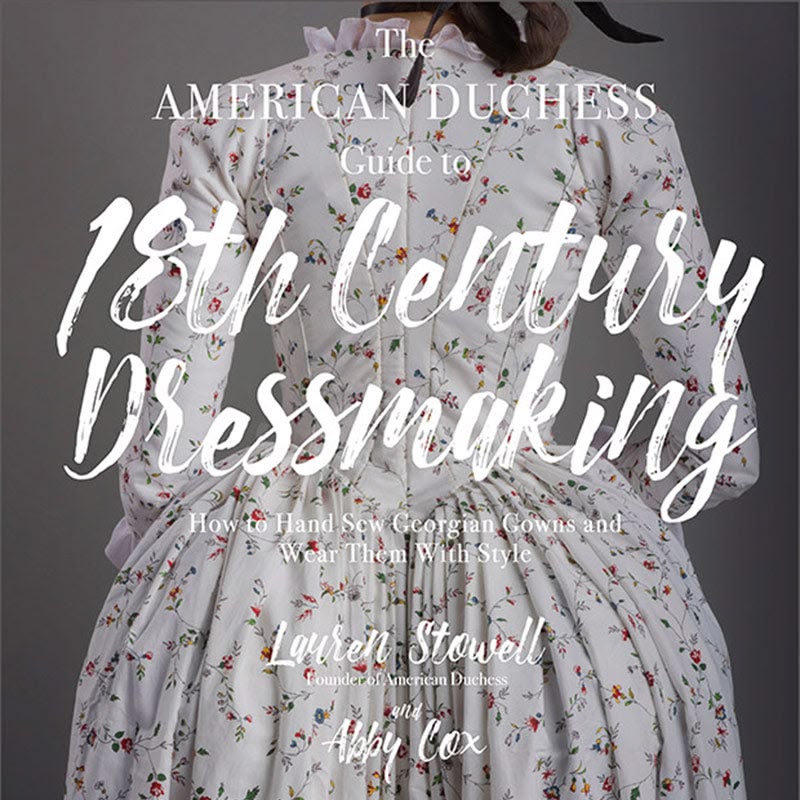
I did refer to the hand sewing techniques covered in The American Duchess Guide to 18th Century Dressmaking by Lauren Stowell and Abby Cox.
TIP: Both sources need mid to advanced level sewing skills. You must also have all of the foundation undergarments created before you begin construction of the gown.
I made a mockup of the bodice in linen first. A few adjustments were made to fit my model.
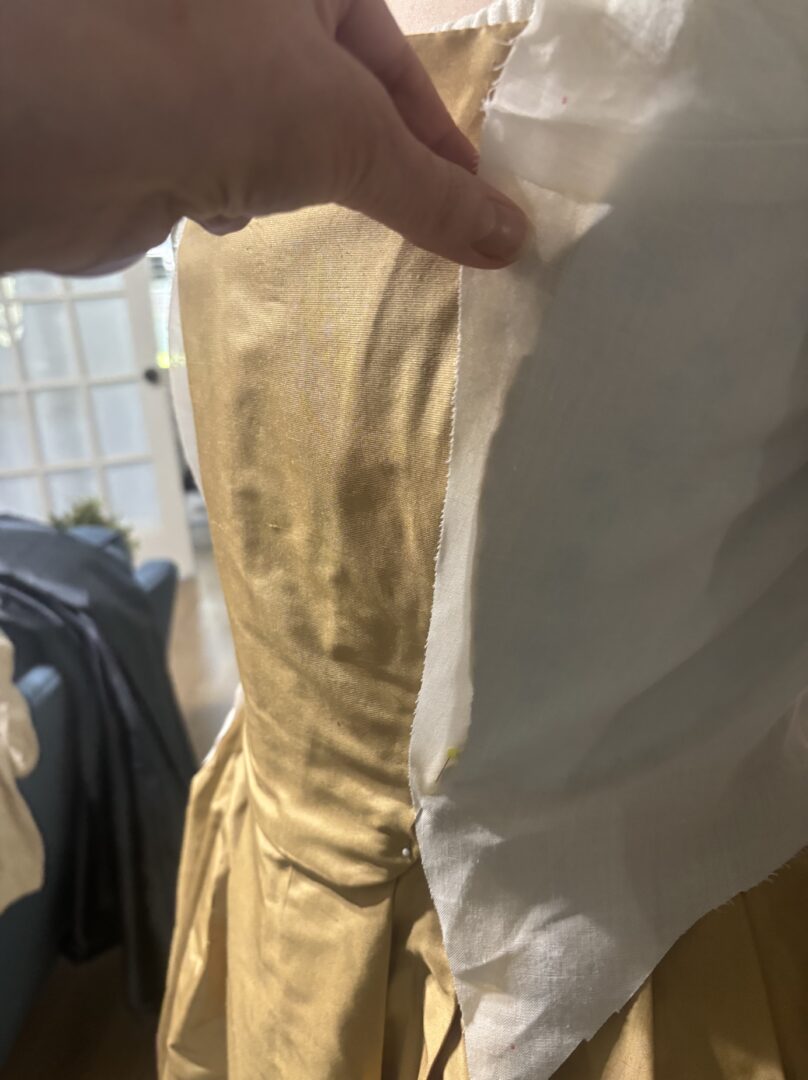
Such gowns require a few fittings to get the best silhouette.
Yet Still More Research
For months I looked at both portraits painted in the 18th century as well as gowns constructed during this time. You can find my 18th century Pinterest board HERE.
Many seamstresses (known as mantua makers in the 18th century) would spend more time on the decoration of the gown than in sewing the gown itself.
While the gown I created is minimally embellished I would say this is an apt assessment.
For the trimming of the skirt I was inspired by the design on this lovely gown that is in the collection of The Met.
As well as this gown from FITNYC.

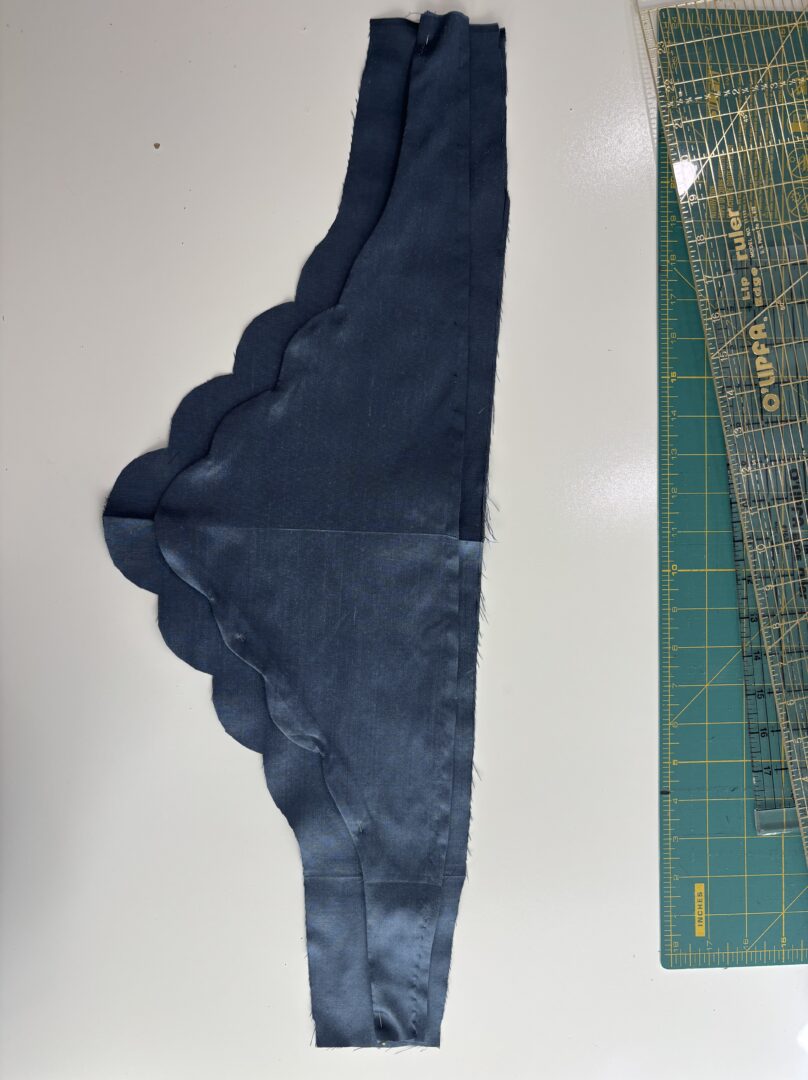
I found an extant scalloped sleeve detail that was similar to what is seen in the portrait.

To get the length of and width of the sleeve ruffle as close to the example in the portrait I made two different sizes.
This is often the part of the recreation process that is not shared. The trial and error. Hours of work spent on a single element.
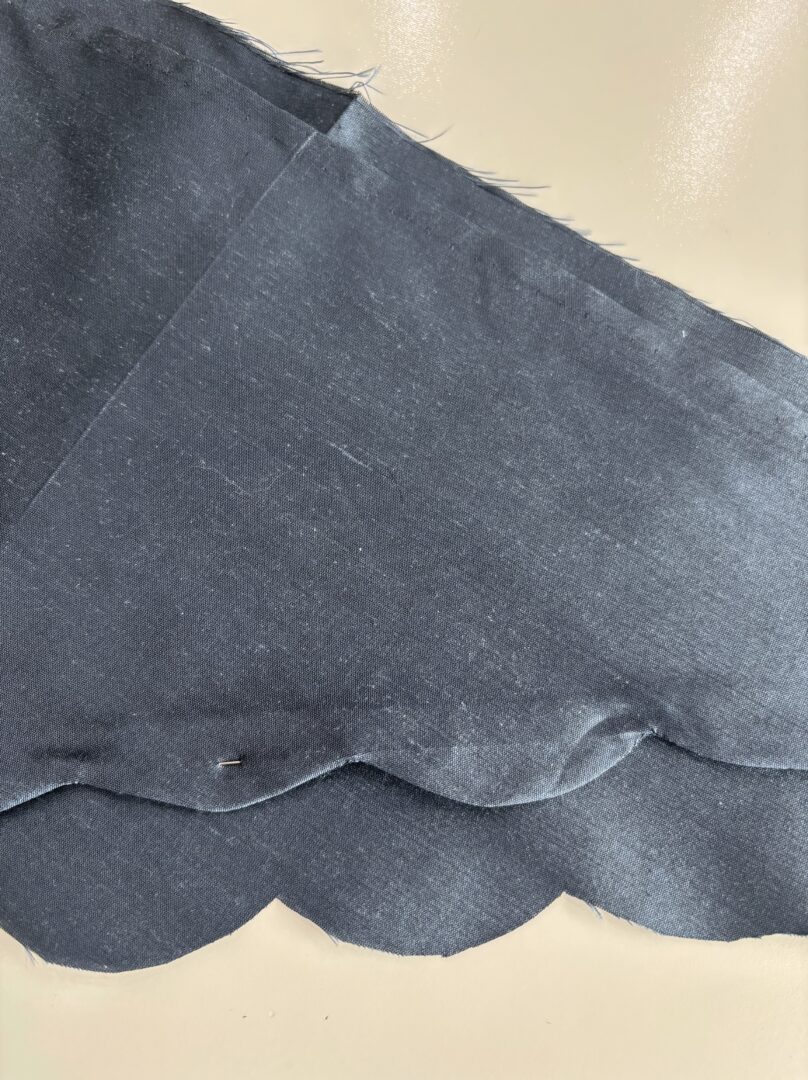
I ended up going with the smaller sleeve ruffle. You can see the hand stitches on the top where it would be attached. I shared a short video of this process on my Instagram.
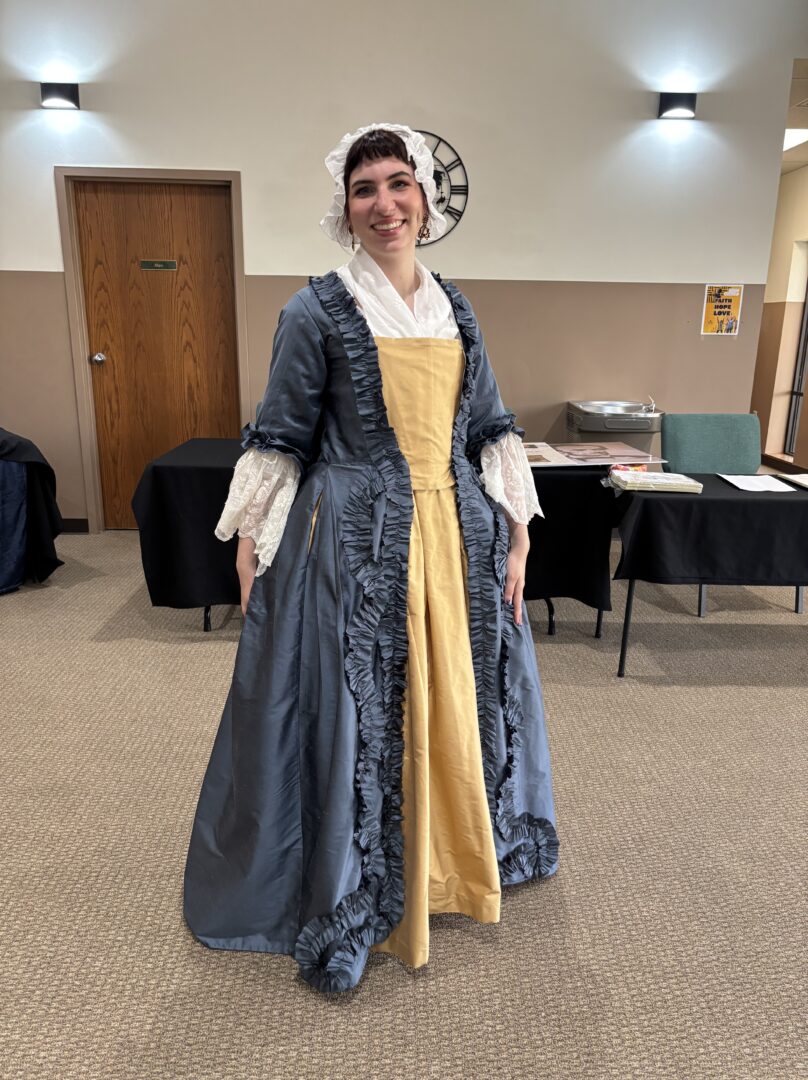
The Reveal
This dress was made for my lovely daughter in law, Megan, who was my model for the presentation.
I do hope to get some formal photos of her made in the future.
Megan is just one year younger than Martha Dandridge Custis when she had her portrait painted.
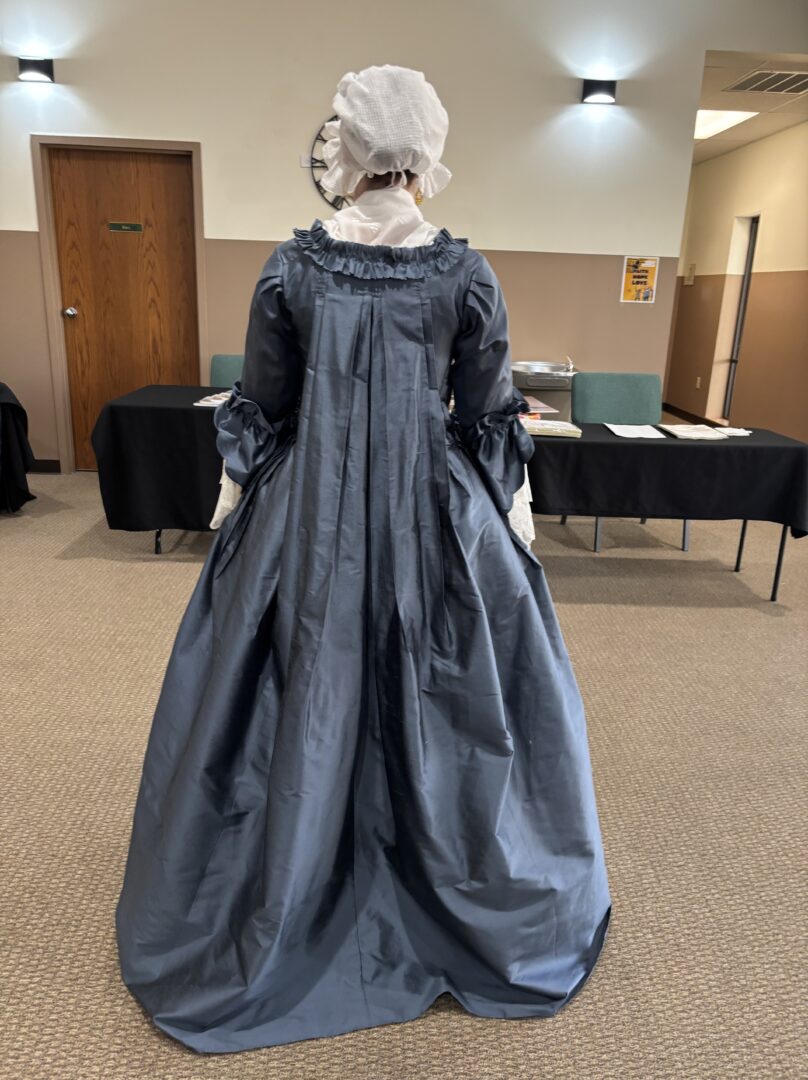
The back of the gown is truly a dream!
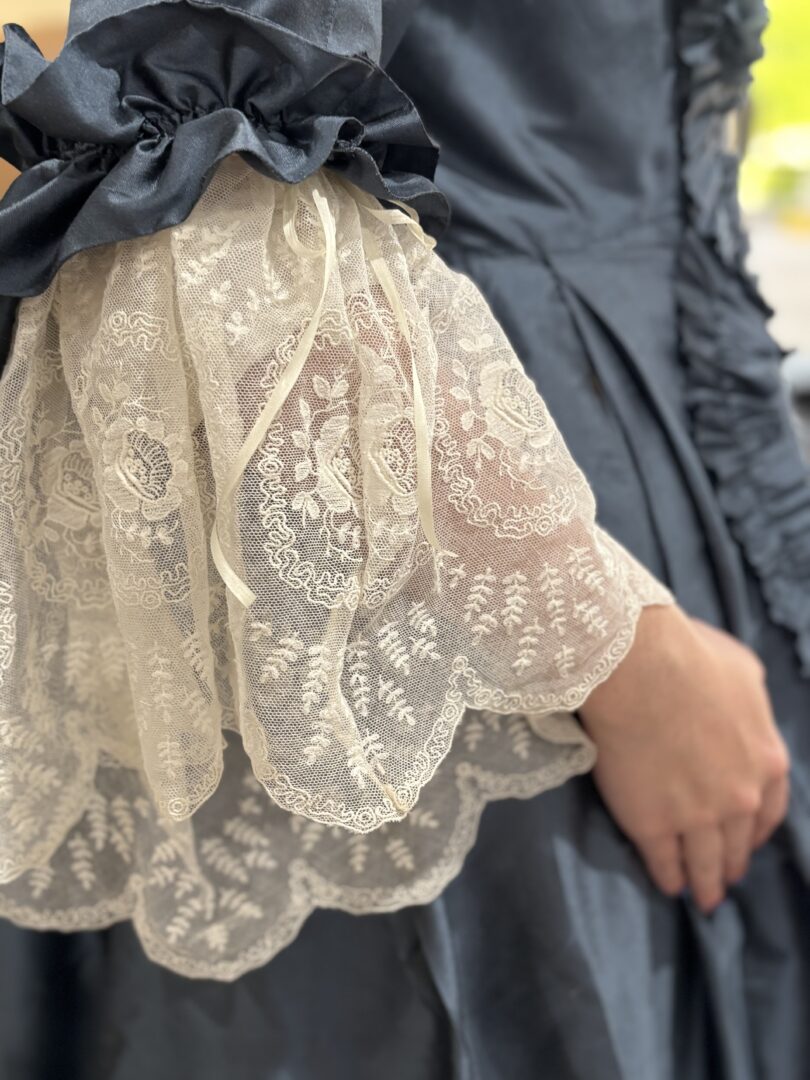
A close up of the engageantes. I found the Edwardian era lace at an estate sale. They feature an adjustable silk drawstring so that they can be worn with other sleeves. They were hand tacked to the inside of the sleeve which I show in this week’s video.
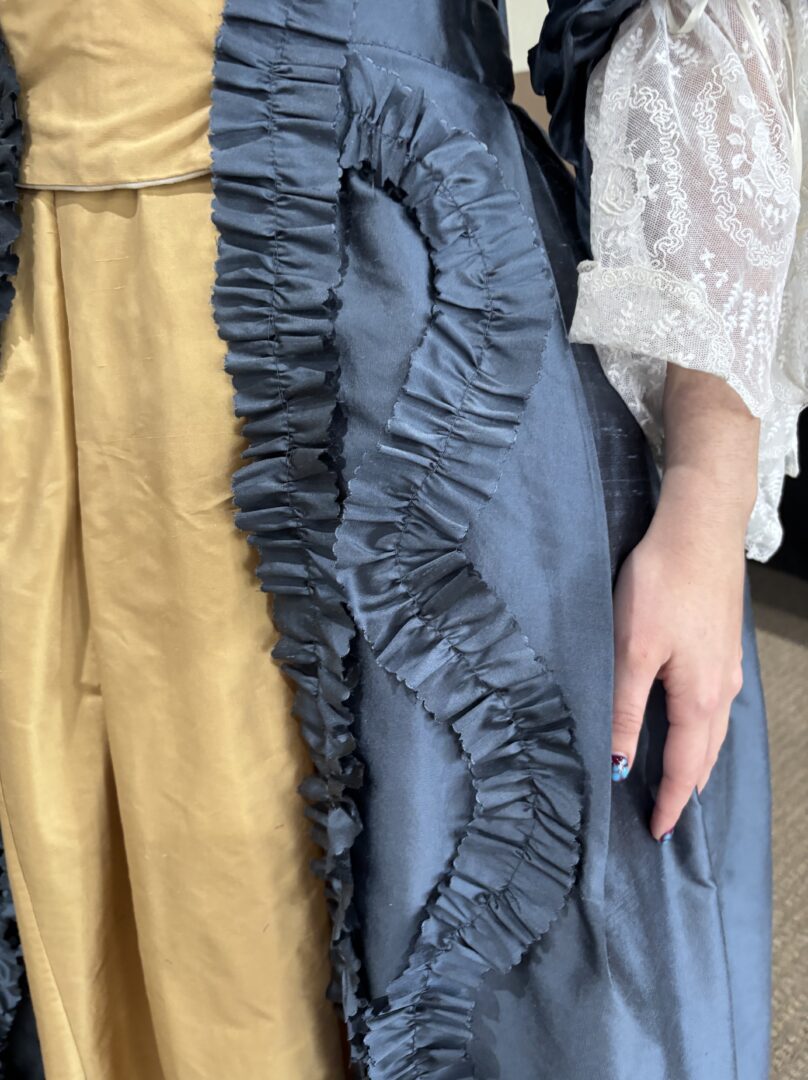
A closer look at the ruffled embellishments.
Miles of the blue silk fabric were trimmed with scalloped pinking sheers then gathered by hand.
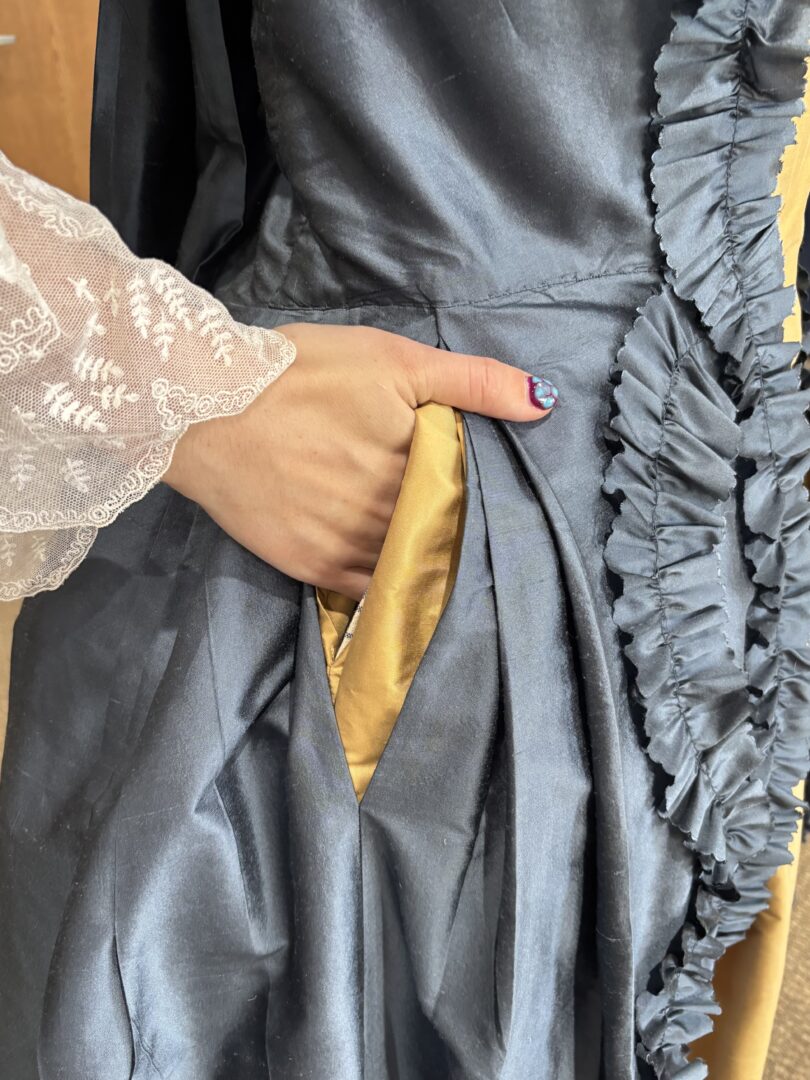
Of course there is access to the hidden pockets!
You can also see the hand stitching of the gown at the waistline.
A Labor Of Love
I do not take commissions as I only sew as a hobby. This dress, stomacher and outer petticoat took approximately 150 hours to make. I imagine that just the labor costs alone would begin around $1500+. That would not include the cost of the silk which would start around $500+.
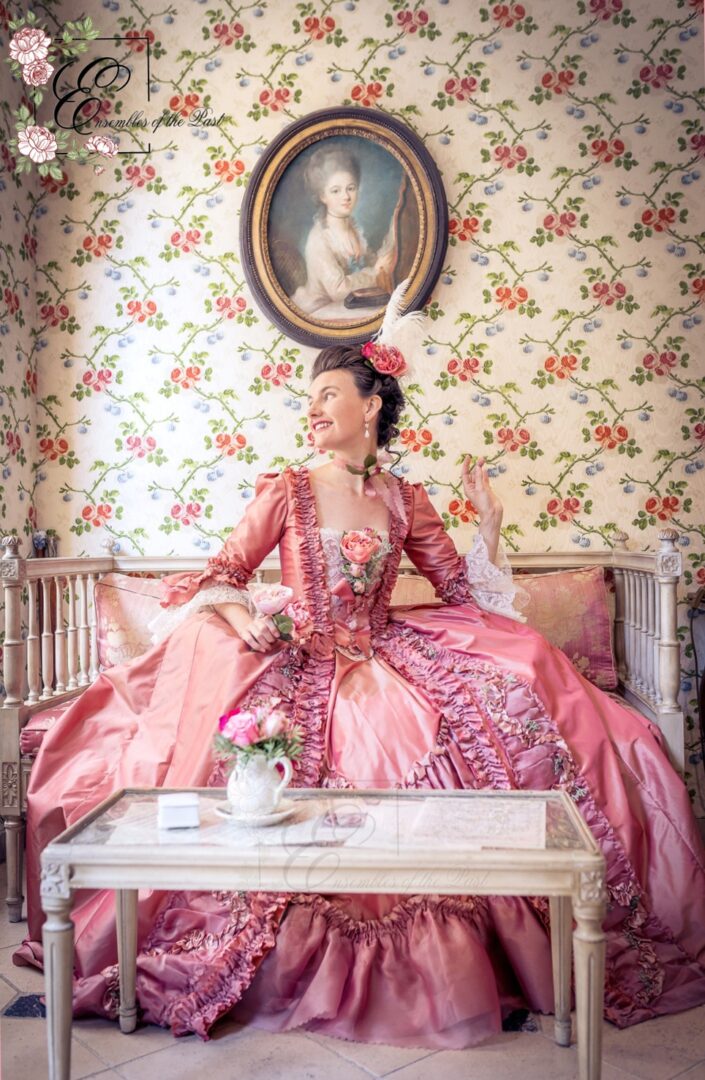
If you are looking for a mantua maker I highly recommend Ensembles of the Past to create such a gown.
This Week’s Video
If you wish to view this week’s video in a larger format just click on the black box in the lower left hand corner that says Watch on YouTube.
Many thanks to my dear friends, Dartanyan, Dixie and Ginger, for their immense help in creating this gown.
Laura