Welcome to another installment of Martha Mondays as I prepare for my upcoming presentation What Martha Washington Might Have Worn. This is an ongoing historical fashion project in celebration of the 250th anniversary (Semiquincentennial) of the Declaration of Independence (July 4, 2026). Today I will be sharing 18th Century Panniers.
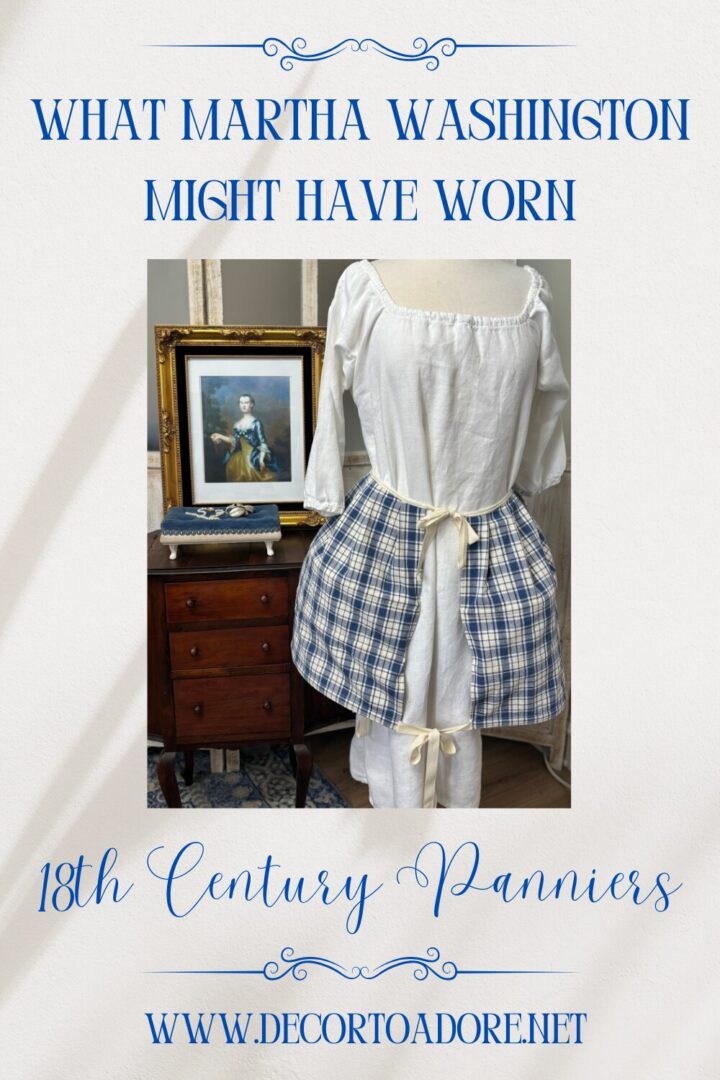
The French word pannier translates to basket maker. Specifically the side-slung baskets carried by pack animals such as donkeys.

In the 18th century the term was also used to describe undergarments also known as side hoops or false hips.
They were worn to create an iconic silhouette which featured a skirt with wide hips that was flat at the front and back.
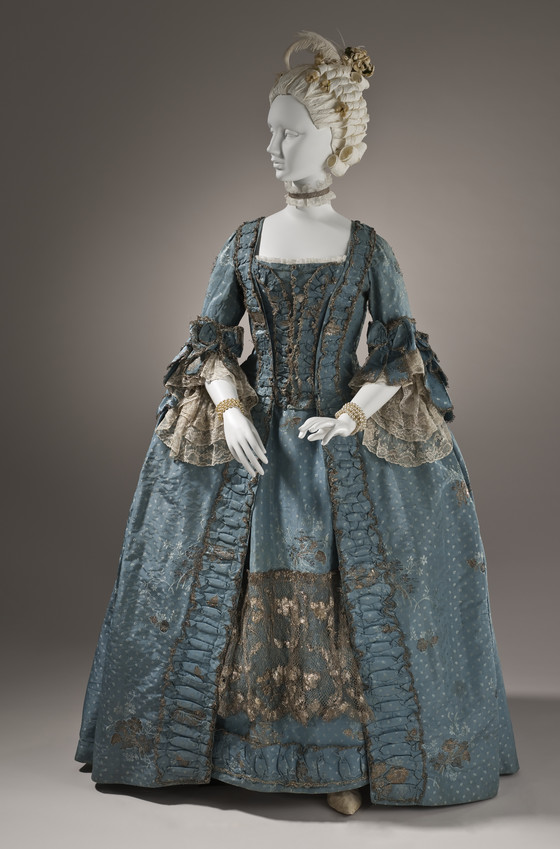
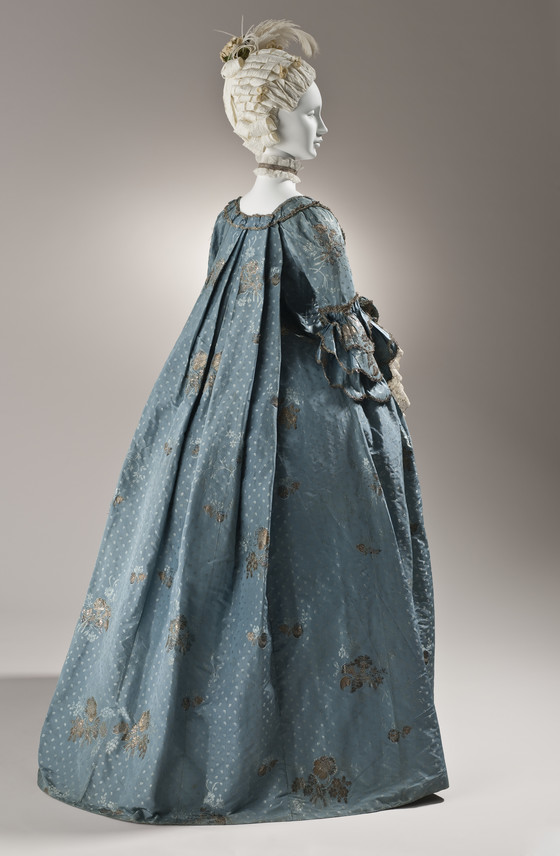
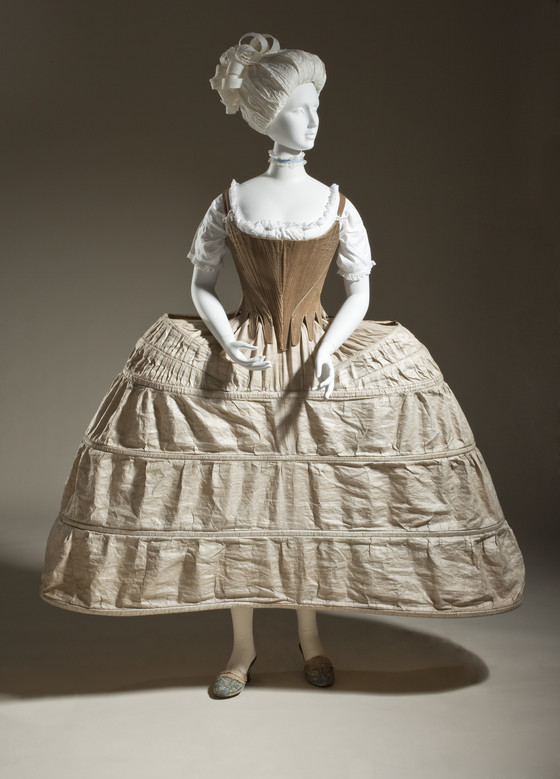
Panniers came in a variety of widths and were made from a sturdy woven material such as linen. They featured long channels into which cane, whalebone, or metal were inserted. Panniers were worn along with a linen shift or shirt and a set of stays (the precursor to the corset).

This larger silhouette shown below was worn under court and formal gowns that featured much wider petticoats.
Woman’s Hoop Petticoat (Pannier) England, 1750-1780
Some additional reading on the subject can be found HERE and HERE.

Inspiration
Recently I traveled to Colonial Williamsburg as I was graciously given permission to study a few 18th century gowns in their archives. While there I viewed some plaid (sometimes referred to as gingham) panniers that are featured in this short video.
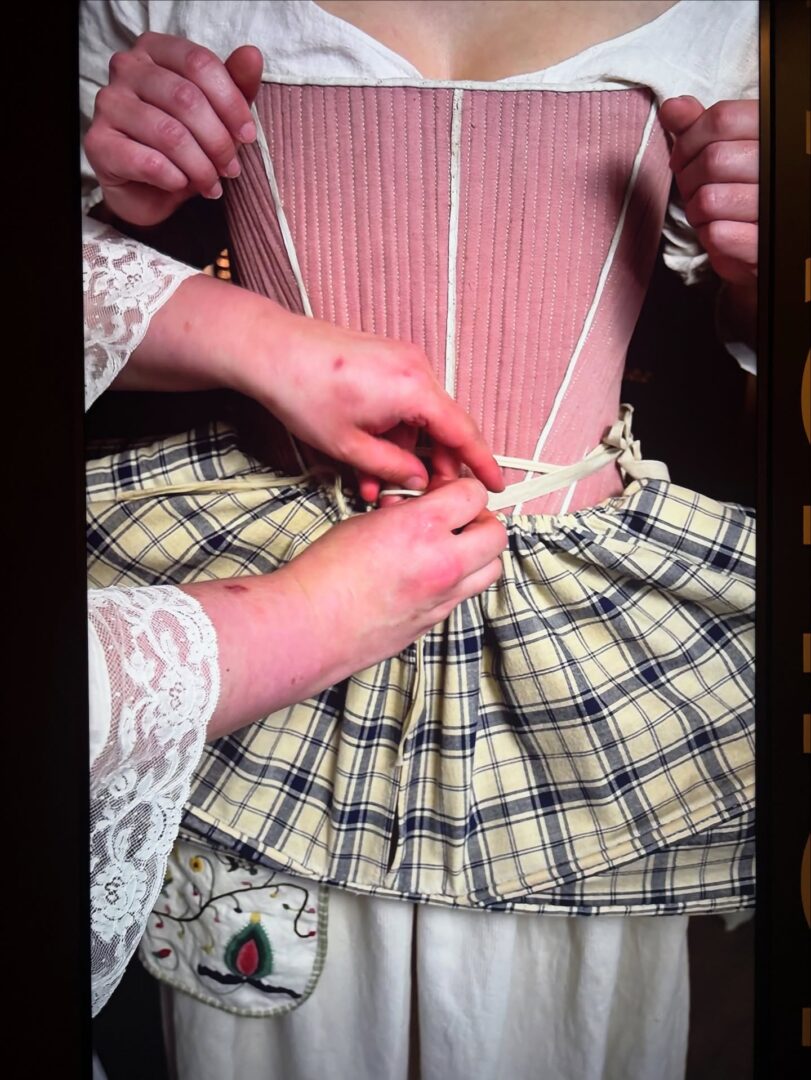
Later while visiting the Mantua Makers shop at Colonial Williamsburg I spied plaid panniers hanging from the shop ceiling. I was smitten.
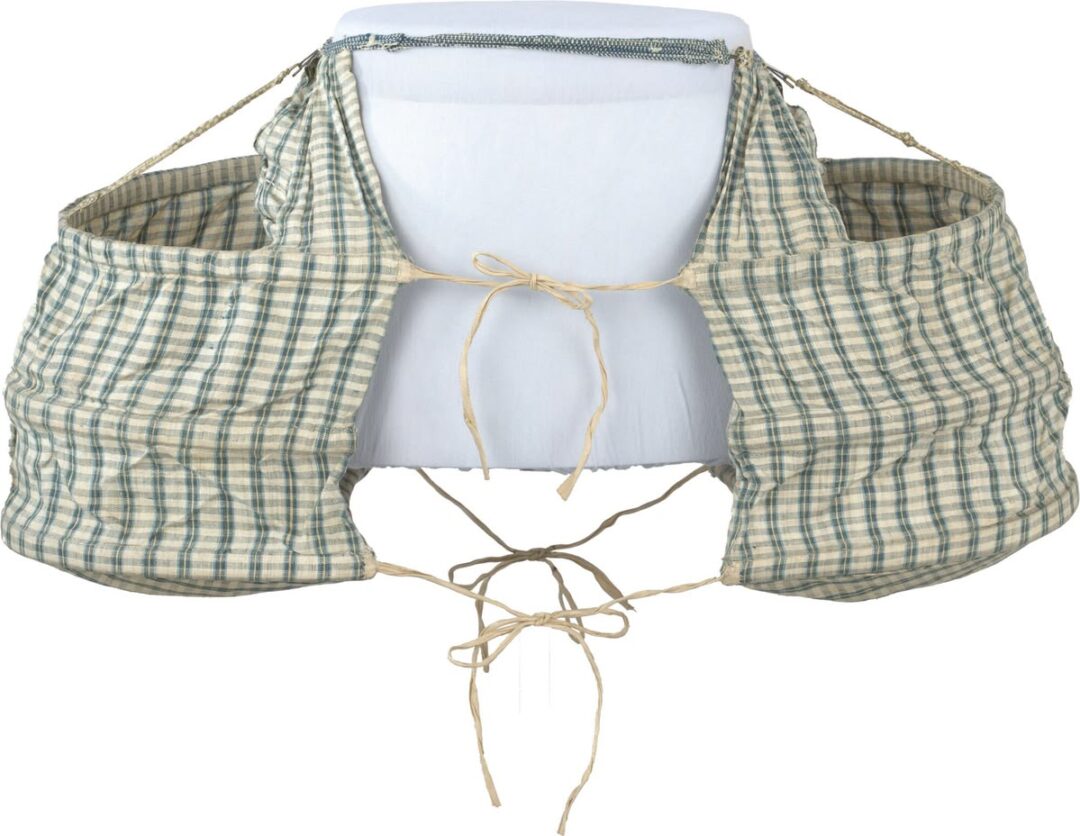
Now I myself am completely confident that if the CW was featuring plaid panniers one could rest assured they were absolutely in existence in the 18th century. But there is often that one person who will leave a message stating there was no such thing. So I bring you from the Rijksmuseum plaid linen panniers from approximately 1740-60.
The Patterns
There are numerous patterns available online to make your own side hoops. Some are free if you would like to draft your own. As I am on a quick turnaround deadline for this project I opted to use a combination of two patterns. First was the tissue paper pattern from Simplicity 8579.

I paired this with the historically accurate hoop pattern instructions featured in The American Duchess Guide to 18th Century Dressmaking.
Historically Adequate
While a few areas on my panniers are hand sewn I did use a sewing machine to sew the seams as well as create the long boning channels. I did not come to this decision lightly. Historically, panniers would have been sewn all by hand. But I have just two and a half months to complete this entire project. It is solely myself creating this entire capsule wardrobe. I am not being paid to create this collection. So I will still need to work my full time job, maintain this website and take care of my home and family.
If you are a purist, who insists on complete historical accuracy, you may not want to continue following this ongoing project.
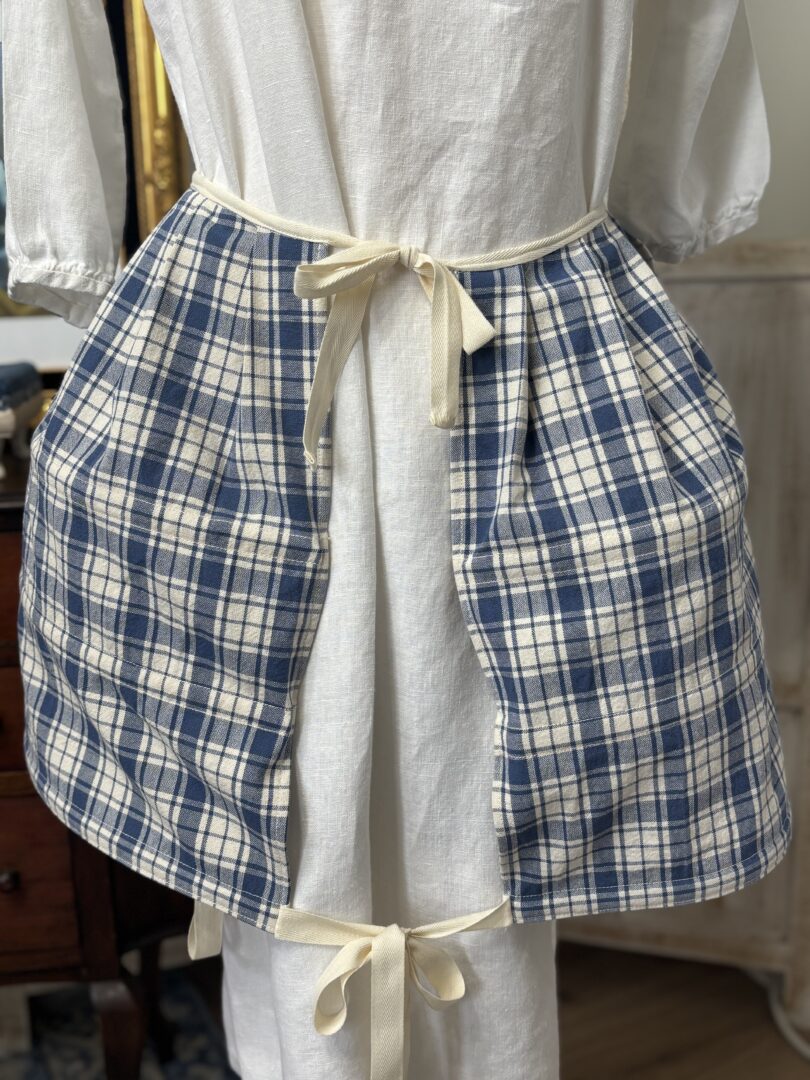
But boy are these panniers CUTE!
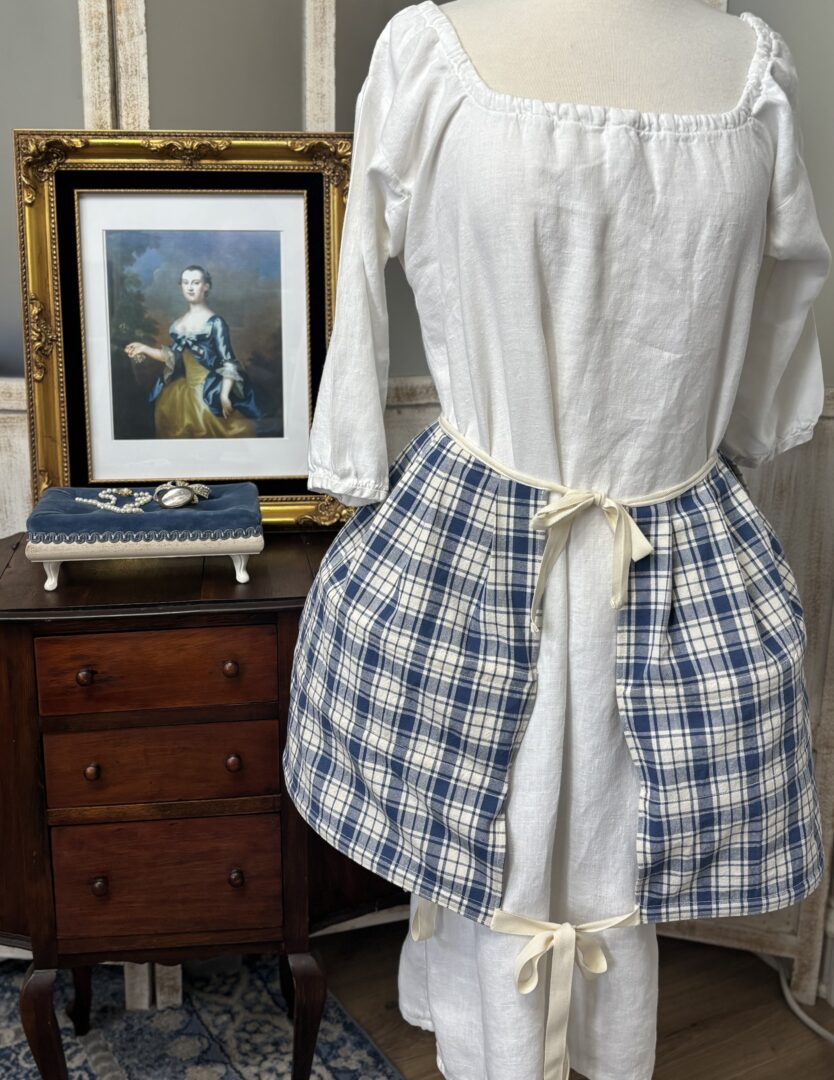
I tried to pattern match so that each side would mirror the other.
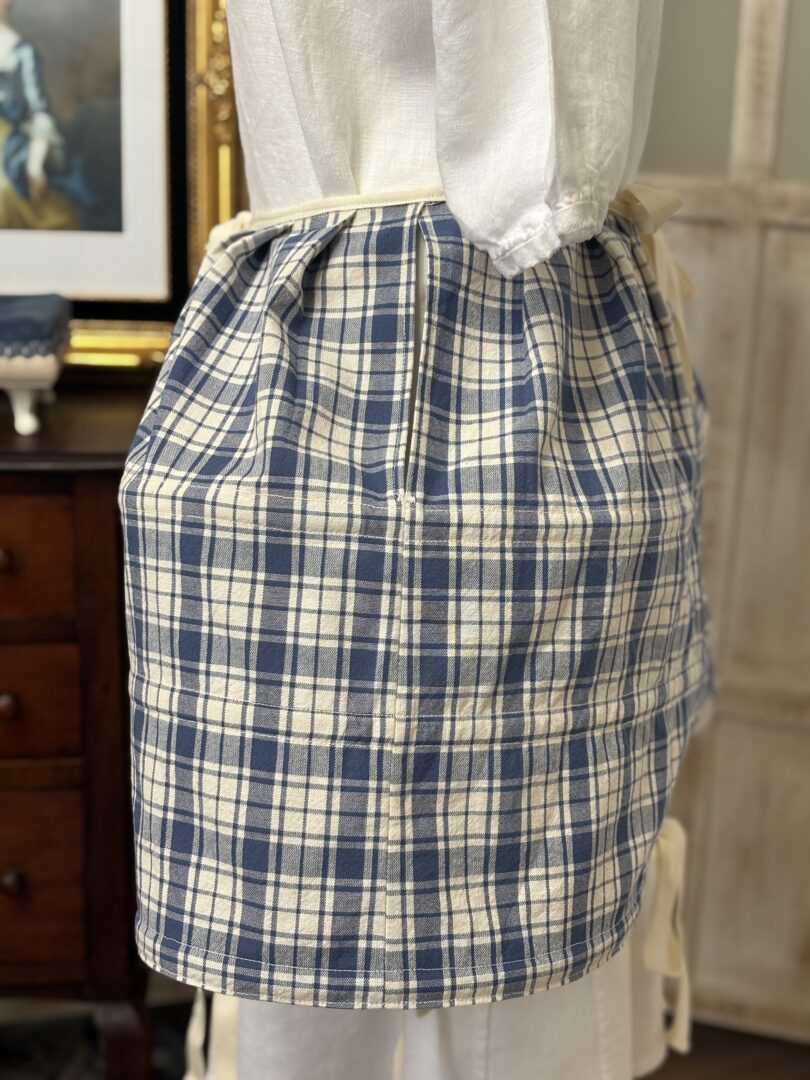
Side view of the panniers.
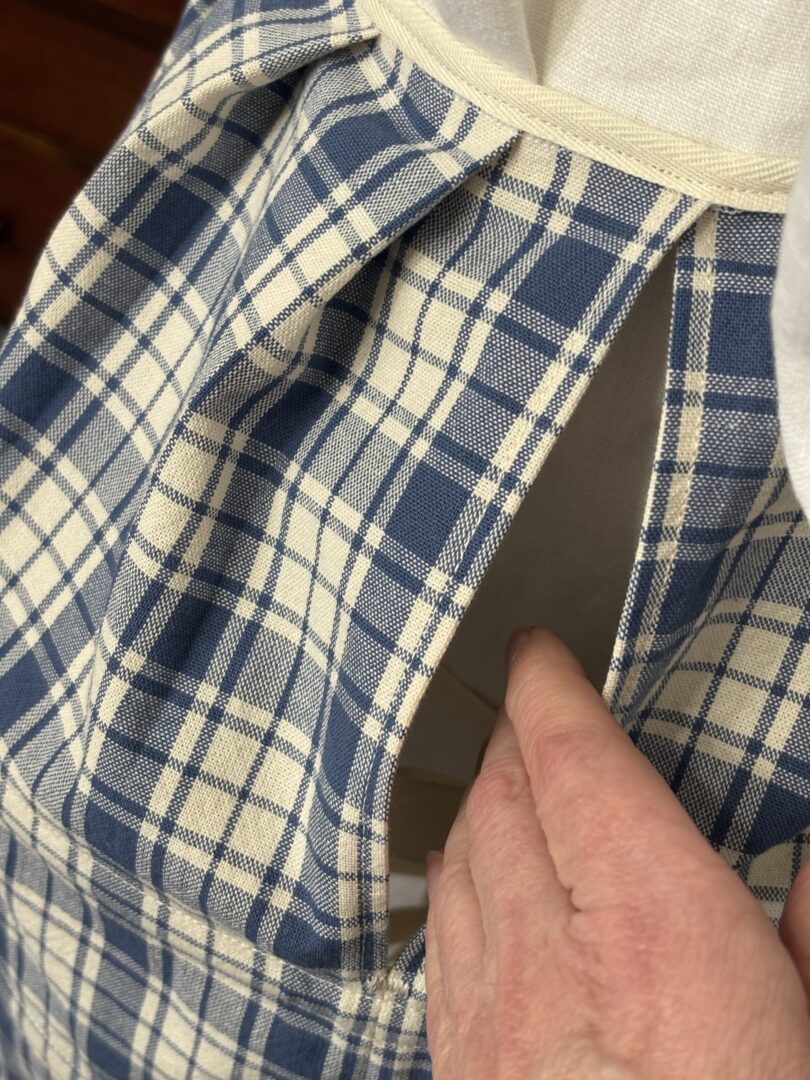
Each side has a pocket access.
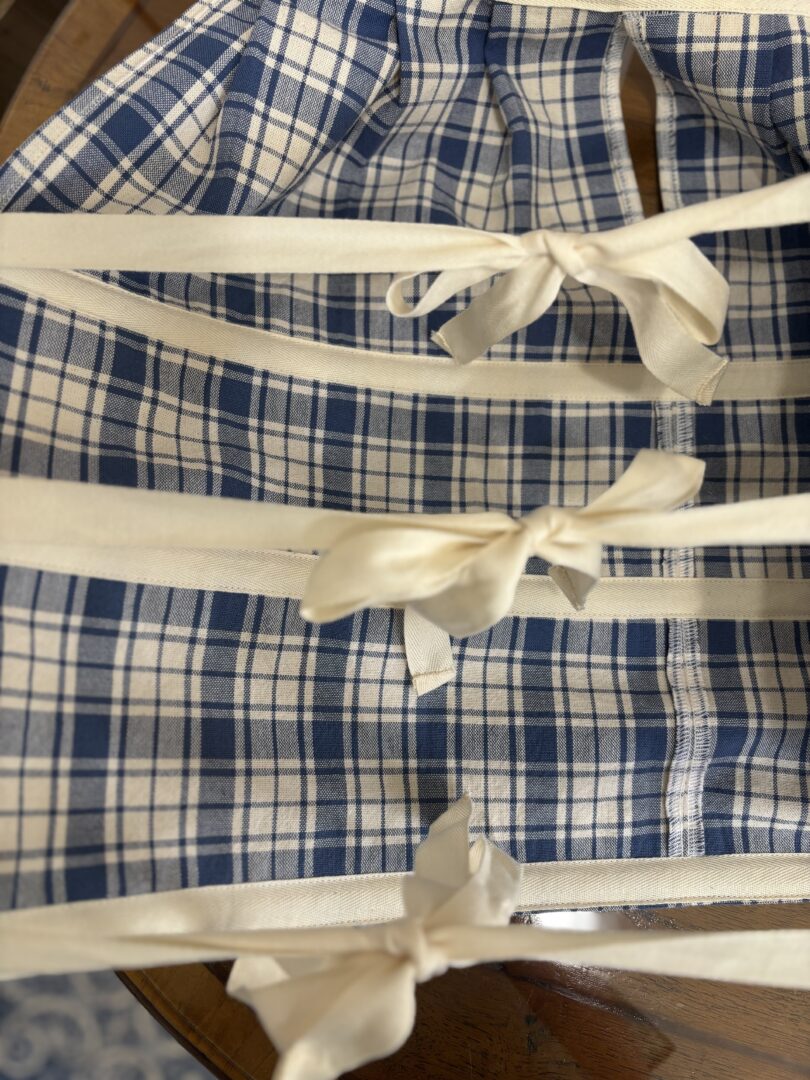
Inside cotton twill tape holds the panniers in position.
Time and Cost Investment
This project came together fairly quickly. I washed, dried and ironed my cotton/linen fabric before cutting out the pattern. This preparation, combined with sewing time, totaled about 4 hours. A good amount of time was spent cutting and filing the ends of the boning.
I purchased the vintage fabric from my dear friend and sewing mentor Dartanyan. The pattern required one yard of fabric for the size that I made. When searching for a similar fabric you will want to select a mid to heavier weight fabric with a tight weave so that it can support the skirts of the petticoat and dress.
The cream colored twill tape and hand sewing needles came from Burnley and Trowbridge.
The synthetic whale bone was purchased from Farthingales.
Gutterman cotton thread, color: egg white, was used along with a Schmetz sewing machine needle.
All together this project cost around $30 to create. This is for the supplies only. It does not include my labor costs.
You can purchase ready made panniers on sites such as Etsy for around $50 and that is very reasonable in my opinion.
The Sewing Workshop, Antoine Raspal, 1760

This next week I am hoping to make a ladies short cape known as a mantle.
Laura
Other Posts In The Series
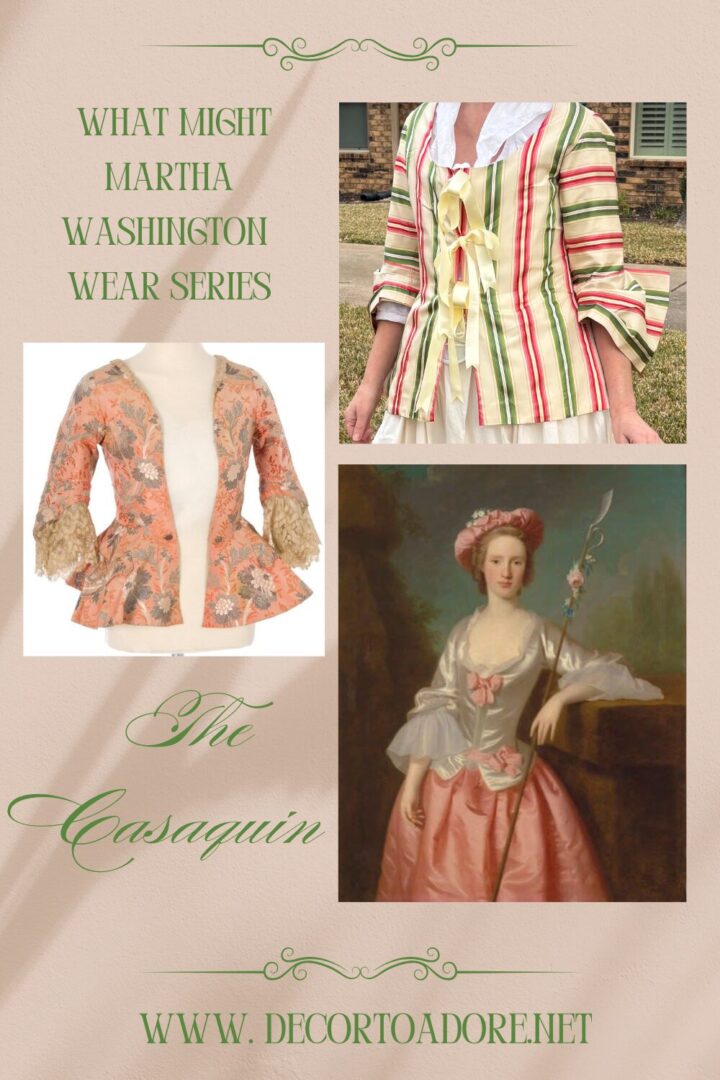
1750s Casaquin Jacket and 18th Century Undergarments
I often wonder what odd and uncomfortable fashion the nest generations will be viewed. I do love historical fashion and appreciate your detailed accounting. Thank you.
Rick has panniers on his bike! Unfortunately, I have my own panniers and they are “built in.” I’ve been trying to get rid of them for years! Loved seeing the photos, fashions and all the background info!