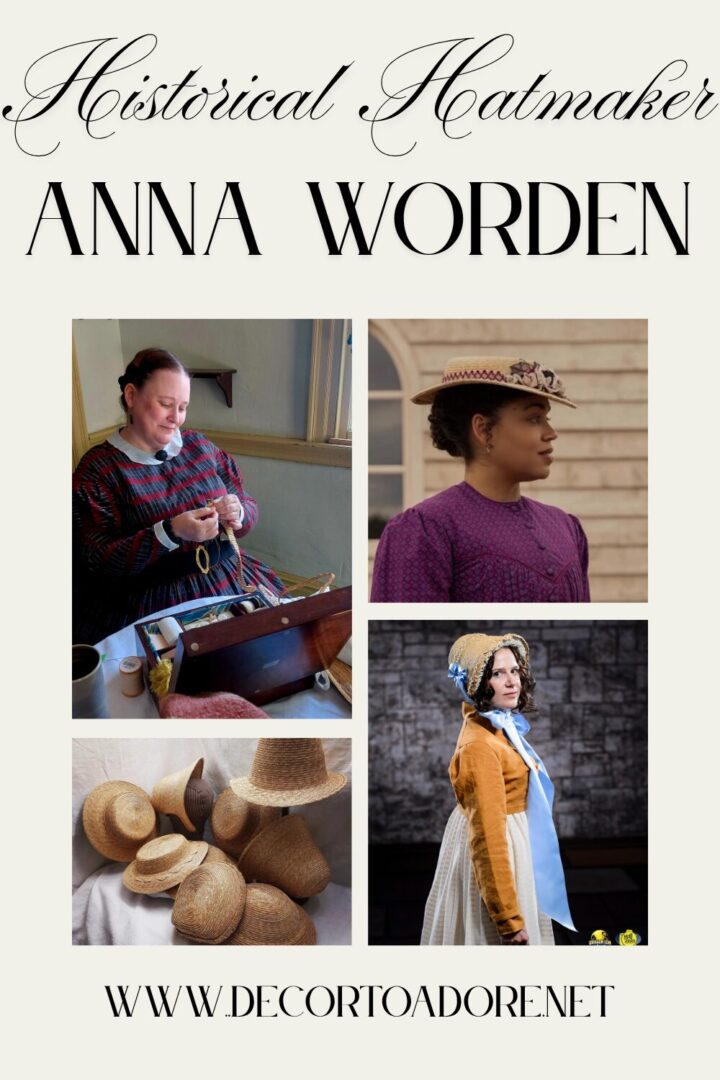
Historical Hatmaker Anna Worden is a milliner (hatmaker), researcher, and writer. Her beautiful hand-sewn straw hats and bonnets are soon to be featured in the new adaptation of Little House on the Prairie.
A Little Back History
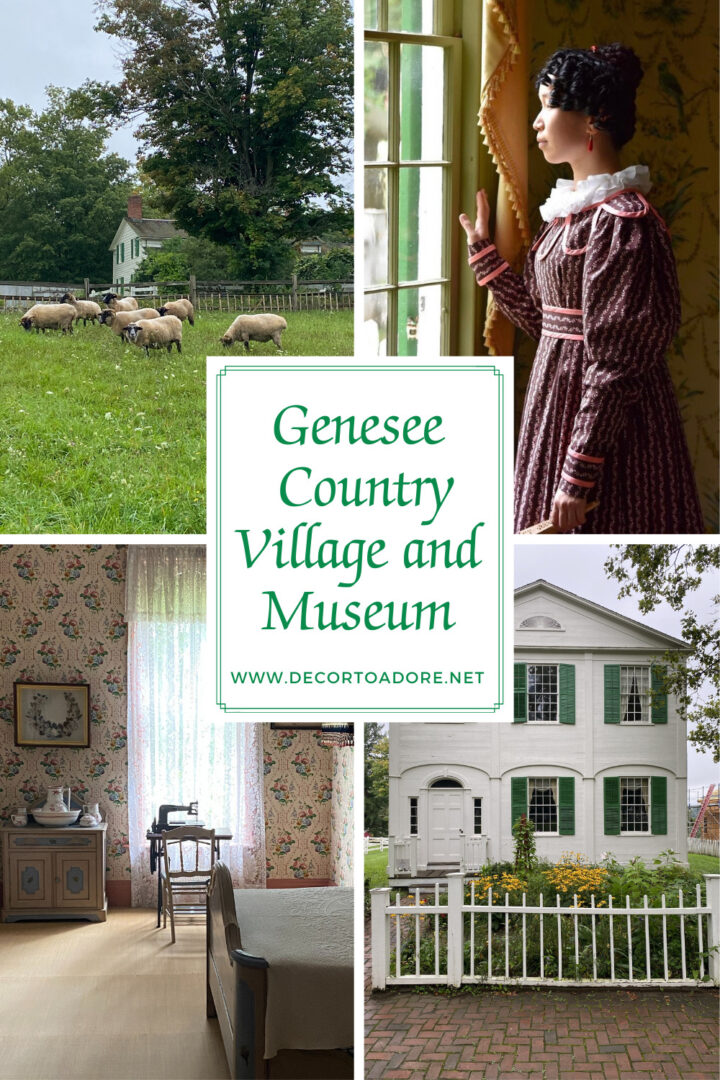
Back in 2023 I had traveled to New York and visited the Genesee Country Village and Museum. My friend Anneliese graciously arranged for me to tour the Susan Greene Costume Collection Archives. This was so incredibly helpful in my ongoing historical fashion research. I had asked Anneliese if she knew of a historical milliner who could help me with a very special project ~to recreate Laura Ingalls Wilder’s sage green poke bonnet. Without hesitation Anneliese said there was only one person for this incredible job ~ Anna Worden.
Historical Hatmaker Anna Worden
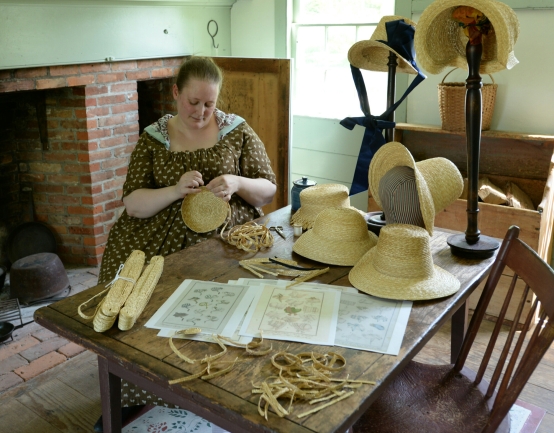
Anna Worden grew up surrounded by antiques. When she was just eleven years old she began volunteering at the Genesee Country Village & Museum. Her beloved grandmother had worked there for 27 years. During college, Anna worked at the John L. Wehle Gallery of Wildlife & Sporting Art while becoming involved in living history and reenacting. Like many reenactors, she quickly discovered that building a period wardrobe can be quite expensive.
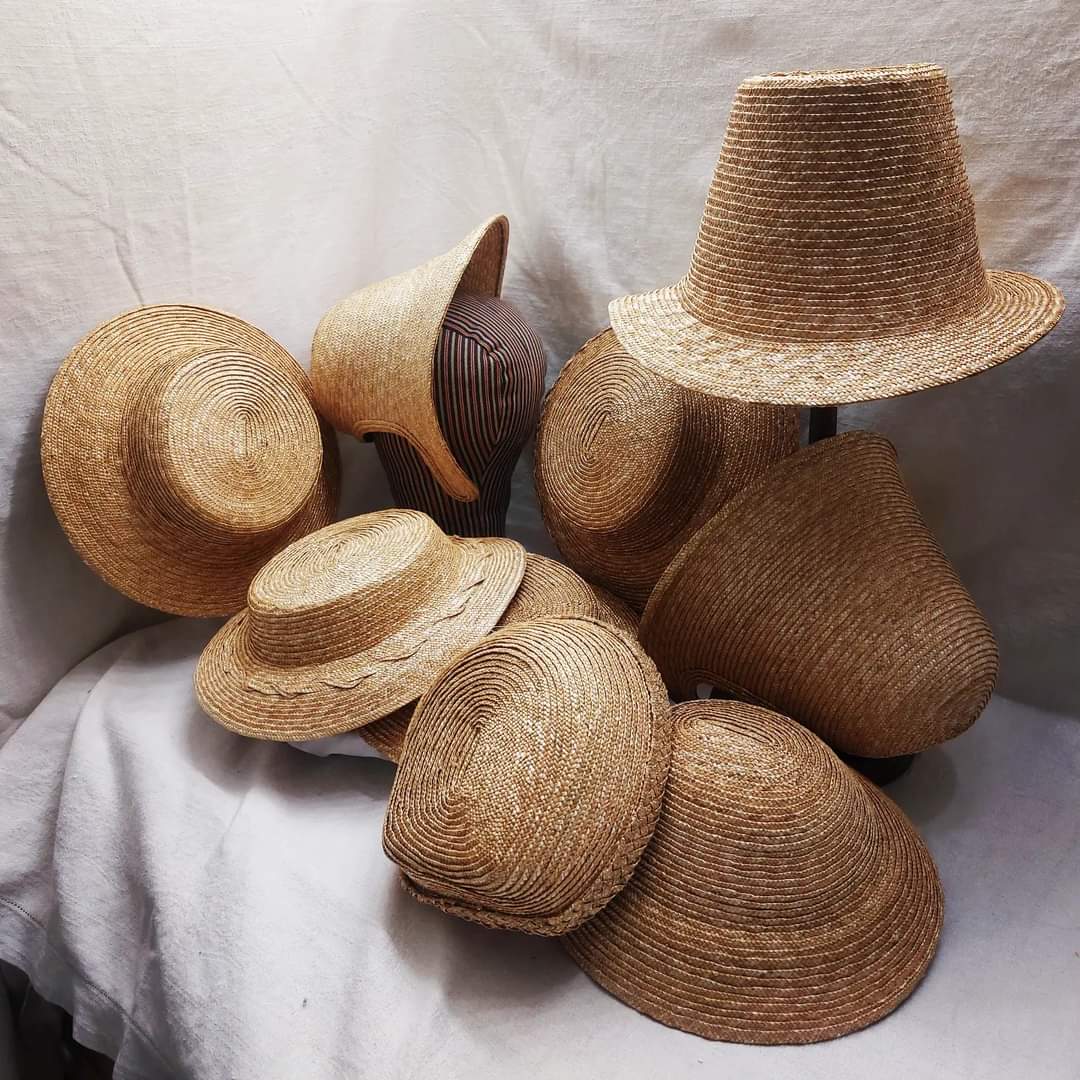
So, she learned to sew the 19th-century way. While on this journey she discovered her passion ~ straw.
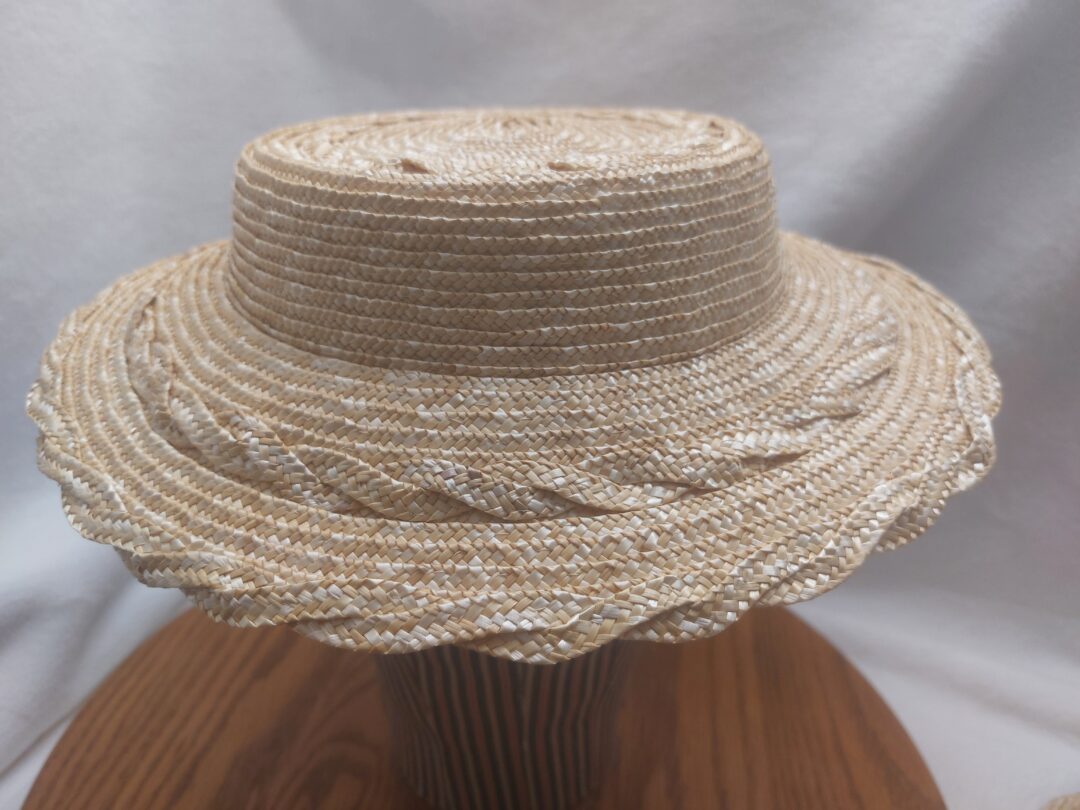
In studying hats and bonnets she discovered that each piece was built by layers of straw building beautiful lines and curves. She became determined to understand how nineteenth-century milliners achieved those details. It was this dedication that has shaped her work ever since.
When I commissioned Laura’s poke bonnet Anna and I began the process with the description of the bonnet taken from the books. We also looked at extant (antique) examples and together settled on a design. Getting just the right color of straw took some time. But the finished design was absolutely worth the wait.
Anna’s work is simply brilliant. She is a consummate professional dedicated to her craft.
I have recently commissioned a second hat from Anna and can’t wait to wear her artistry to upcoming Little House events this summer.
Little House
The new adaption of Little House on the Prairie will premiere on Netflix this Thursday, July 9th. At this time Anna is not sure which hats that she made for the production will be featured. There have been a few trailers and reels showing the characters of Caroline Ingalls and Emily Henderson wearing her designs.

Watch Party
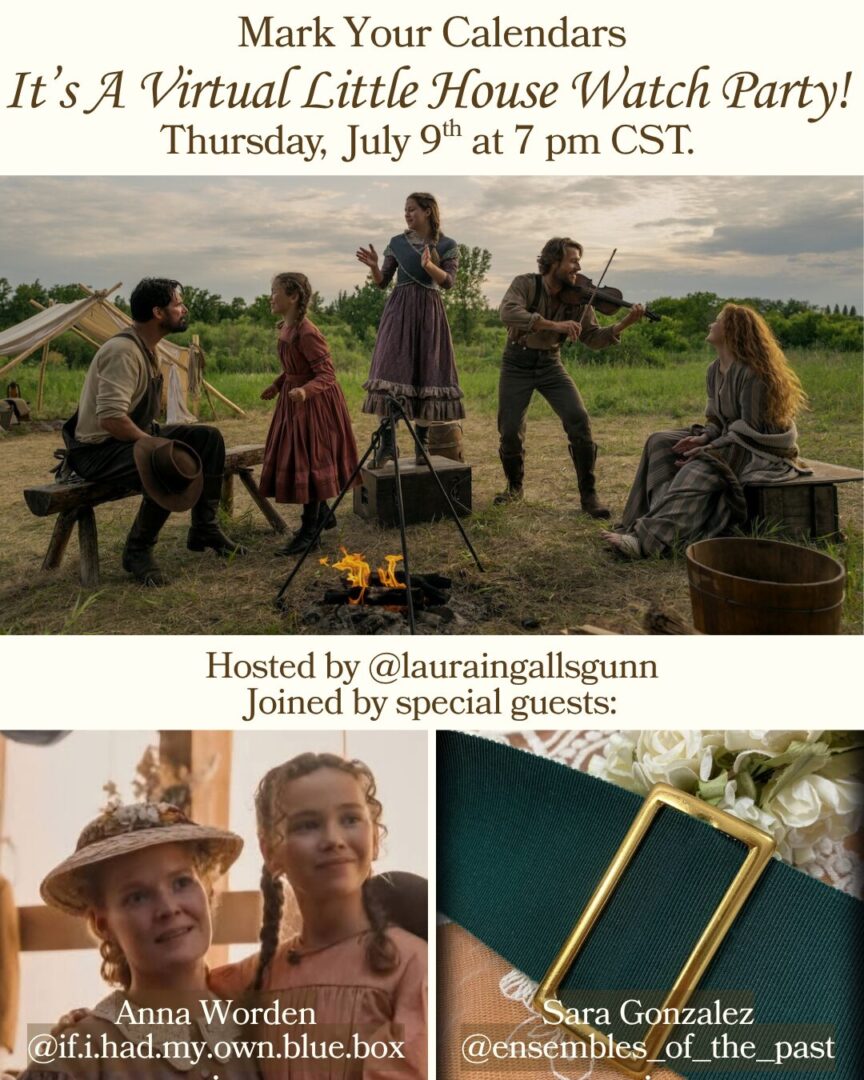
To celebrate, Anna Worden is joining me this Thursday as a special guest for the Little House on the Prairie virtual watch party. Together we will watch the first episode together. This is a free event, but you do need to have a Netflix subscription.
There is still time to sign up. Just send your email to me at decortoadore@hotmail.com
Get To Know Anna Worden
What inspired you to begin making custom-made historical millinery?
I learned to sew historical garments out of necessity as I began doing historical interpretation in college with no budget. I was drawn to straw millinery for sentimental reasons. Straw reminded
me of family, of wheatfields and sitting in the combine with my Grandpa when I was little. Creating with my hands holds a connection with my Grandmothers and my Father. I love the smell of straw. I love the feel of good straw plait.
Do you have a favorite time period?
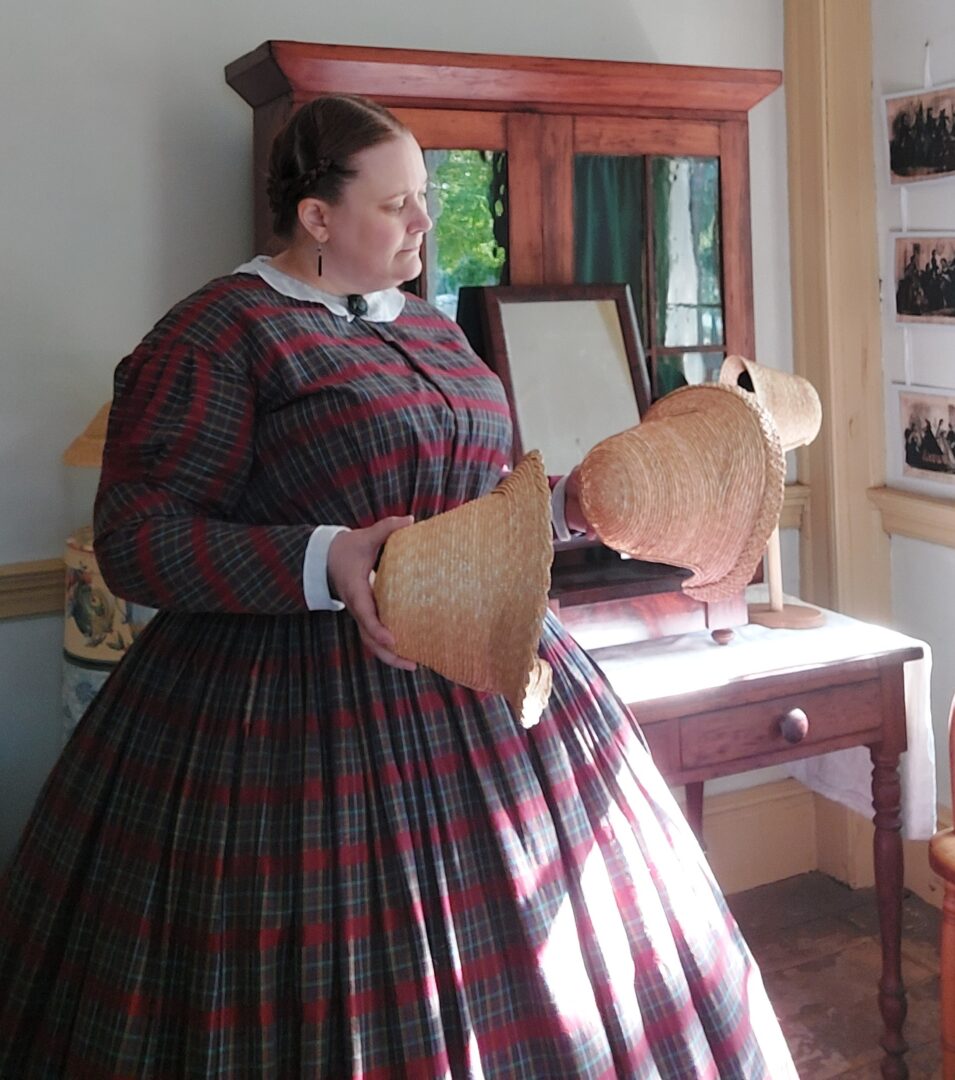
I like the 1850s in terms of construction, materials, and shape of clothing. This is the decade I can construct a dress for from rote memory. I like the Regency era for the ease of wear during interpretation. When I was in my teens and twenties, I could run and play in the village square all day sharing games with visitors, or dance though the night for evening special events.
Are there different types of straw and if yes, what is your favorite type to work with and why?
This question has so many layers.
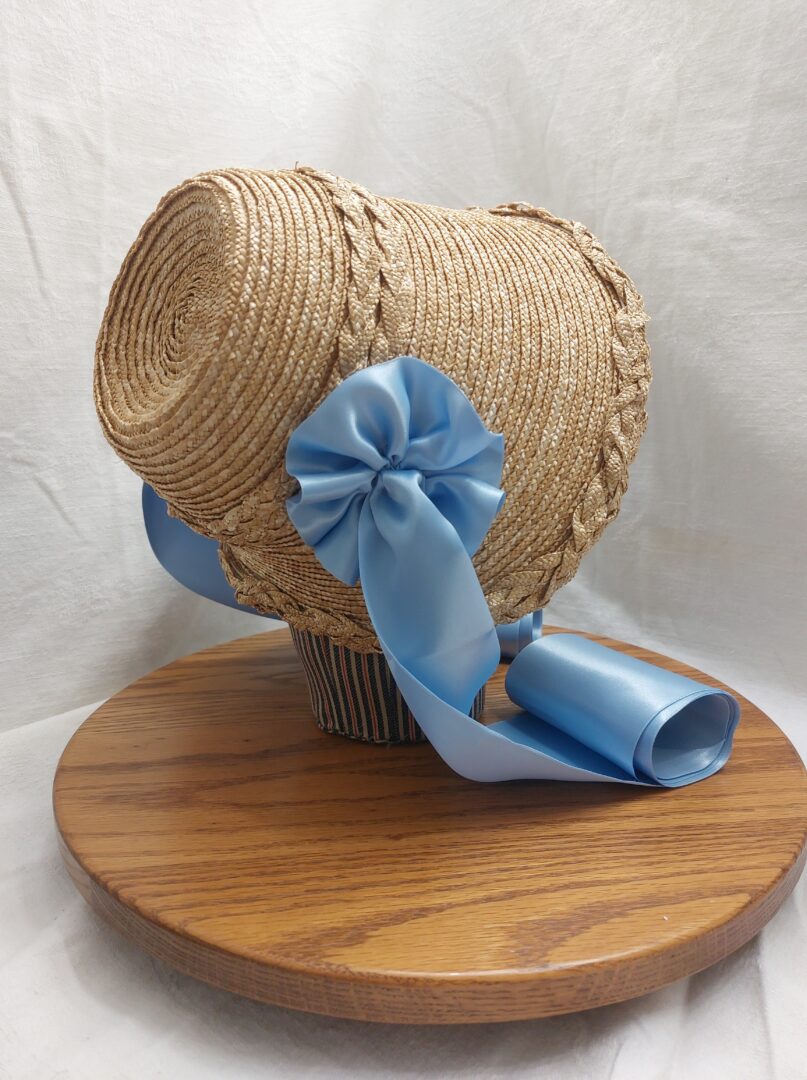
Historically, the wheat & rye straws used to make straw plait were a cultivar with long shafts between the elbows and small grain heads. This is different than the wheat or rye fields we drive today, which are far shorter with larger heads meant for grain production. Long-story short, these shafts of straw were split into flat pieces that were braided into nearly endless designs of plait.
Today, we have far fewer straw plaits available. Most of them are standard 5 or 7 strand plaits in various widths. They are almost always made with whole straw rather than split straw. While this
can make for a stronger plait and thus hats, it also makes the plait tough and more difficult to manipulate. I prefer plait that is supple and manipulates easily without breaking. I also like hanks that are consistent in width, density, and fineness while having long stretches between connections. This allows me to create without over-tiring my hands.
How do you conduct your research before starting a design? Do you rely more on primary sources (like extant garments, diaries, and period art) or secondary sources?
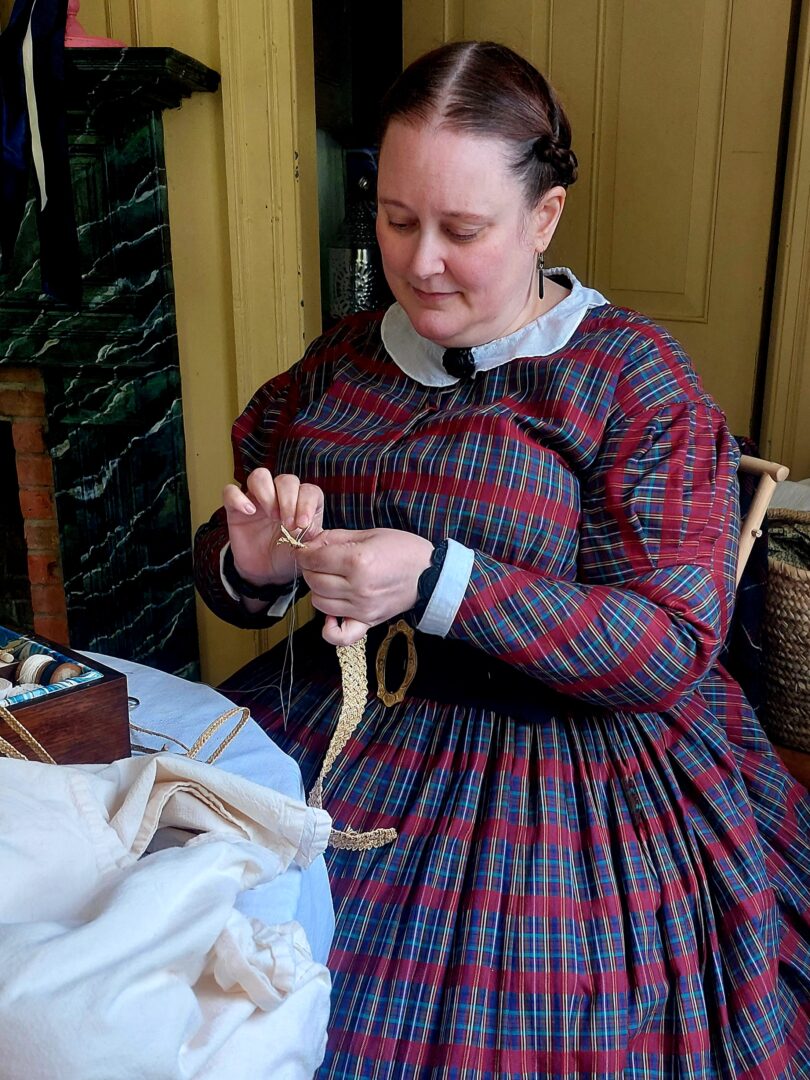
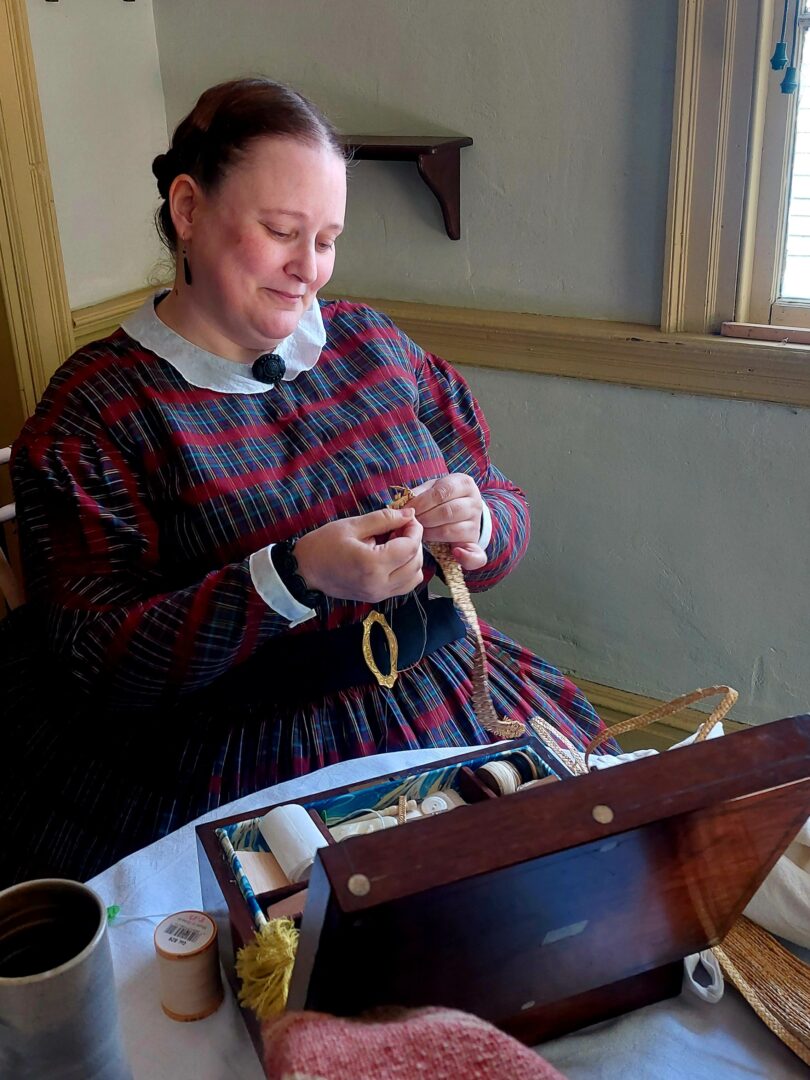
I am all about primary sources. I rely heavily on extant garments, period fashion illustrations, and period photographs when possible. When I first started my adventure in historical interpretation and costuming, digitization was new and I was a college student with no budget to build a personal collection or travel to institutions. I relied heavily on digital catalogs at individual institutions and books or ephemera Dad found me at estate sales or auctions. Since then, I’ve grown a small collection of extant items in my pet research areas. I look for items that allow me to see construction techniques, including those with wear or damage.
How do you choose your design, materials and colors?
Sometimes I don’t choose. The straw chooses. I’m often a process art person. I work with what is on hand. For straw millinery, this means what straw I can order or what arrives, which is not always the same. At one point, I could confidently order a list of hanks for list of hats in a plan. That has not been the case for about five years. For fancy work, I thrive on making something from bits & pieces. I love working from a scrap bag to create a sewing case or pin cushion or workbag.
With each creation do you find that there is a moment in the creative process that sparks your joy?
My biggest joy comes after creating, when someone sends a photo back or a message back. I get my biggest joy from helping people feel beautiful about themselves. Sometimes it is feeling
pretty. Other times it is doing something nice for themselves. Sometimes it is improving their historical accuracy.
Do you have a favorite piece in your portfolio? Why is it your favorite?
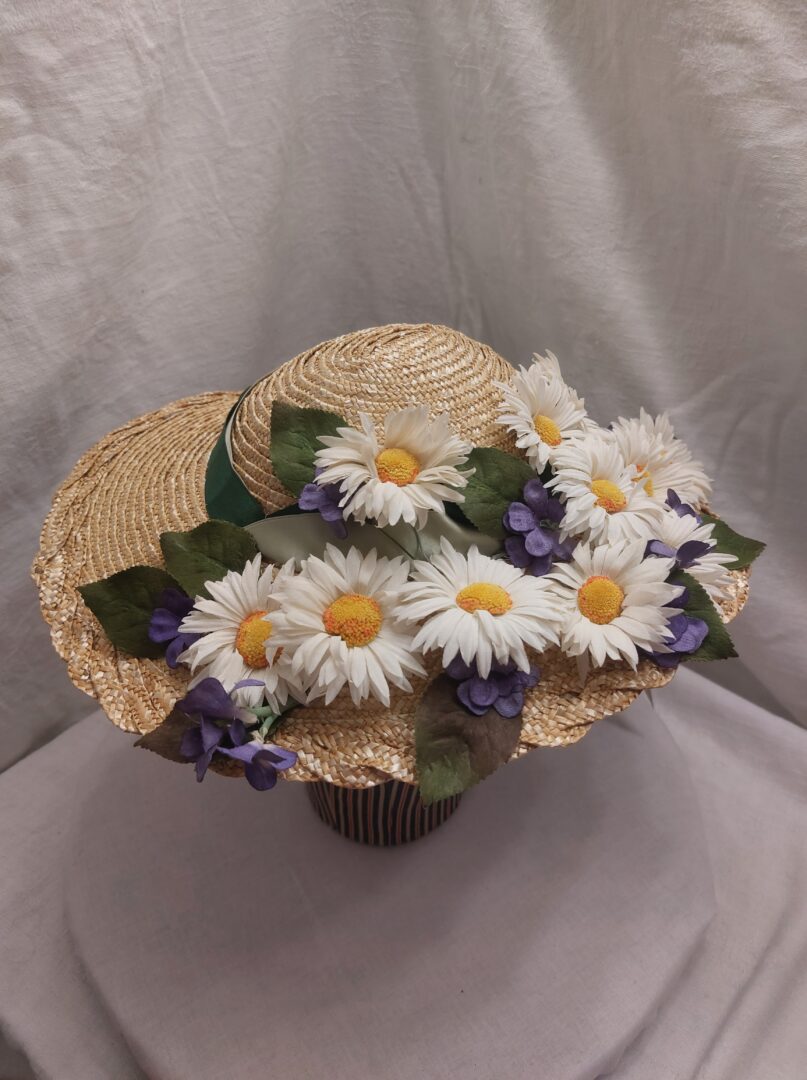
Sentimentally my grandma’s daisy and violet hat.
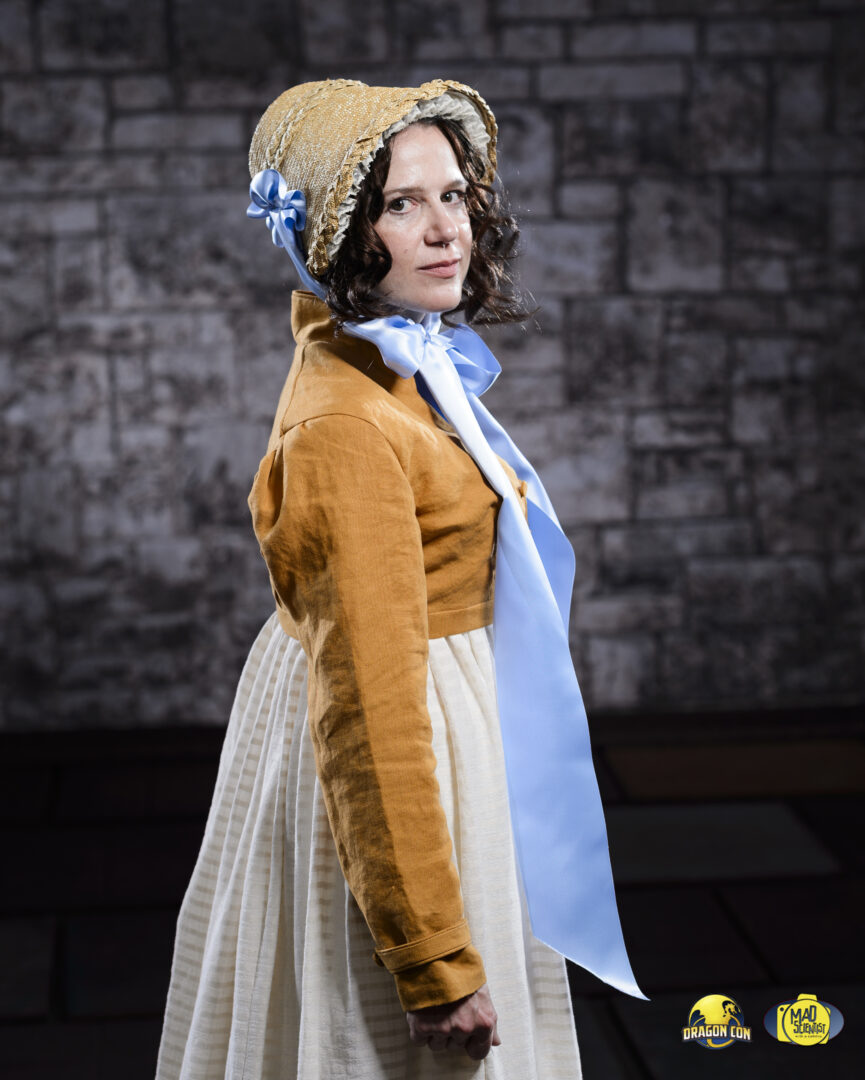
MaryAnne’s Capote because she looks amazing in it, the shape is awesome, and I got really close to the original with just having photos.
Do you ever have moments where you want to throw a project in the time out corner? If yes, what do you do when you are not feeling inspired, or when you are stuck on a piece?
Yes! A hundred times yes!
So many of my projects have what I now call the “ugly duckling stage.” This goes for straw millinery, historical clothing, fancy work, just about everything. There is the point where after hours
of work, when a project just looks wrong or awkward or ugly. Sometimes, I have to take a break and come back after some sleep. Other times, I have to push through. I don’t always know
which I should do. Somehow, on the other side pieces come together. Often, the pieces with the most extreme ugly duckling stage turn out to have true swan stages.
Which artists, books, films, or everyday experiences inspire you?
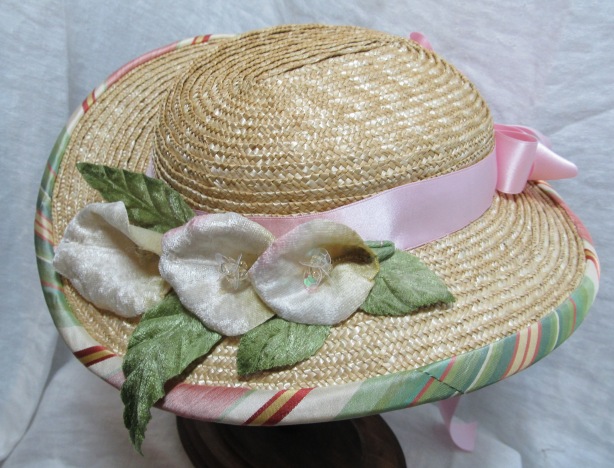
I draw my straw millinery shapes directly from originals, illustrations, or paintings. That’s rather boring “Inspiration.” I think I am most inspired by nature. For most of my life, I loved walking in the woods, trekking through a gorge or stream, or wandering a nearly wilds style garden. I love the shadows the trees make as the sun seeps through. I love the sound leaves make in a light breeze, as well as the sound of water flowing over rocks. For years, in the depths of New York winter, I used to stop at a greenhouse on the way home just to smell the dirt and look at green.
What is your favorite random tool?
I have a seam ripper I set into an antique mother of pearl handle. I took a cheap seam ripper, took off the plastic handle, and glued the metal part into a MOP handle. It is a nice weight and I like the feel of it in my hand. I use it for more than ripping seams though. It is helpful for manipulating stray threads in straw or tucking fabric between layers of pasteboard.
Where you can find Anna Worden
Etsy for client orders: https://www.etsy.com/shop/annawordenbauersmith/
Website where she shares research, projects, and discoveries: www.amillinerswhimsy.com
Instagram: www.instagram.com/if.i.had.my.own.blue.box
Facebook: https://www.facebook.com/people/A-Milliners-Whimsy-by-Anna-Worden/100053256797267/
YouTube: https://www.youtube.com/@ifihadmyownblueboxdontpain472
Support Anna’s Historical Research
If you would like to assist Anna Worden in continuing her historical research you are welcome to donate directly to her Patreon: https://www.patreon.com/cw/AMillinersWhimsy
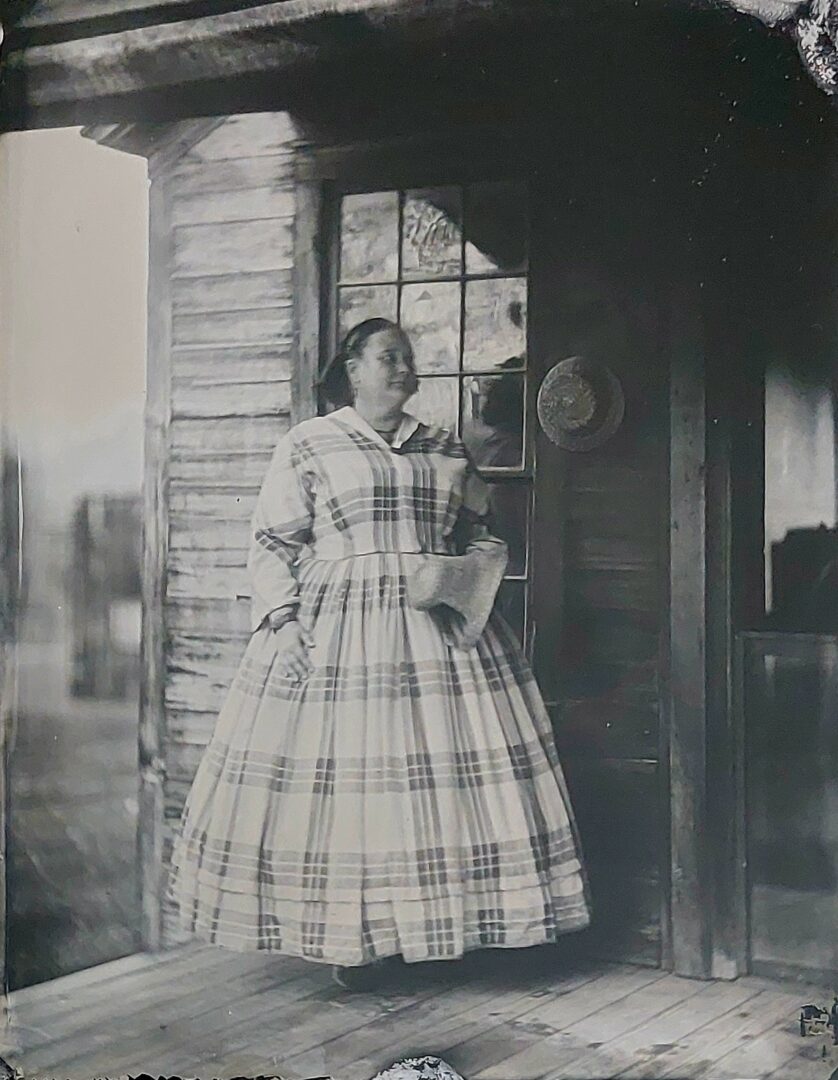
Thank you Anna for keeping this amazing craft alive!
I’ll be back tomorrow with more Little House fashion.
Laura
So interesting! Her hats are a work of art.
I grew up near Rochester NY and after I had my children, I took them to Genesee Country Village every chance we got. My daughters practically grew up there! It is my ultimate “happy place” and I was blessed to have volunteered there through the years. I know Anna and her grandma, “Miss Pat” (who started me on my path to sewing my own historical garments), and both ladies are incredibly skilled at their crafts, not to mention such sweet ladies. Thank you for sharing her beautiful creations.
I loved this post Laura…so glad Anna is keeping this almost forgotten craft alive. As we get older, I believe we have yet even more appreciation of anything historical. So sad the young don’t have that appreciation these days.